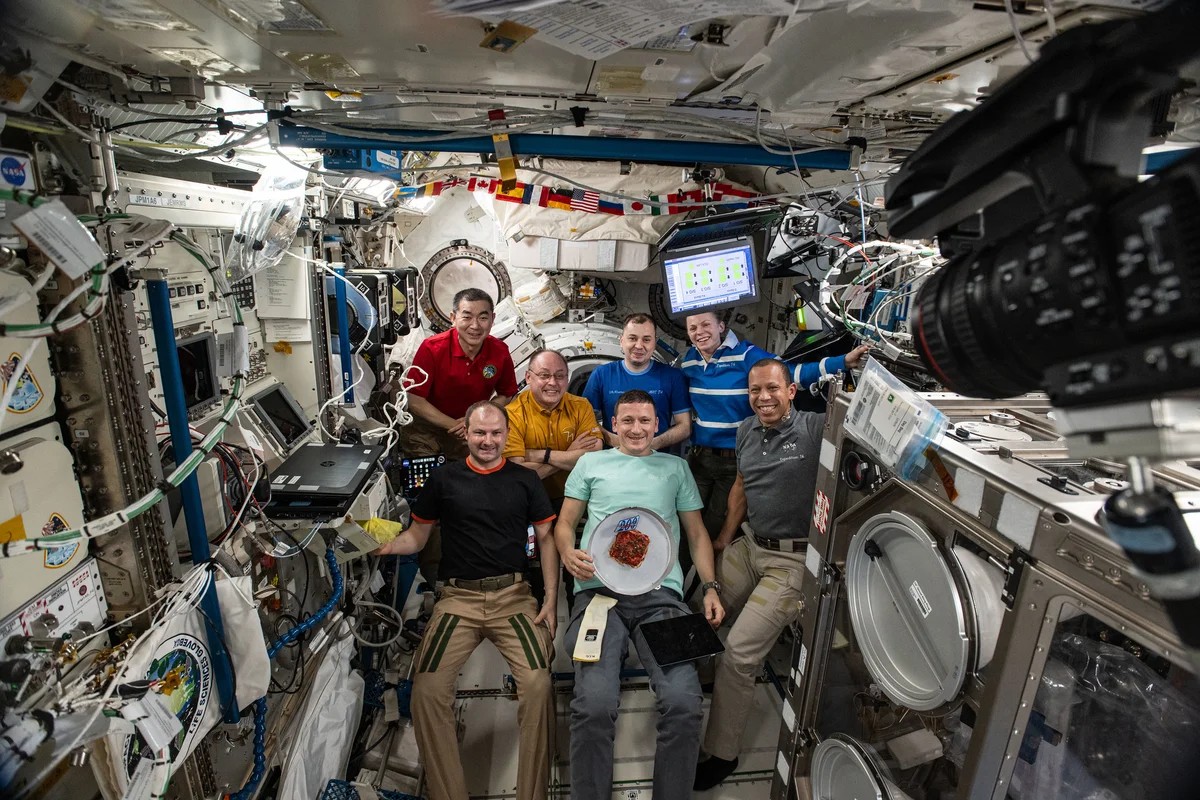
NASA is bringing the four astronauts aboard the Crew-11 mission home early from the International Space Station (ISS) due to a serious, though currently stable, medical condition affecting one of the crew members. The decision, announced Thursday, marks the first time NASA has cut short an ISS mission for health reasons in the station’s nearly 26 years of continuous human occupation.
Unprecedented Situation
The move is unusual given the ISS’s long track record of uninterrupted crew presence. NASA Administrator Jared Isaacman emphasized that this is not an emergency deorbit, but the agency determined the astronaut’s condition requires more comprehensive medical attention than available onboard. The exact nature of the illness remains undisclosed, in line with NASA’s privacy policy regarding crew health.
Historical Context
While rare, premature mission endings due to medical emergencies have occurred before in space exploration. The Soviet Union recalled cosmonauts from the Salyut 7 station in 1985 due to a urological issue and from the Mir station in 1987 following a heart arrhythmia detection. This latest incident underscores the inherent risks of long-duration spaceflight and the limitations of medical care in orbit.
Why This Matters
The ISS is equipped to handle many medical scenarios, but complex diagnoses and treatments require ground-based facilities. NASA’s decision to return the entire crew highlights the logistical constraints of space operations: there are no backup capsules readily available at the ISS, and leaving astronauts stranded without a reliable return vehicle is unacceptable. The incident also raises questions about the frequency of such events as space missions become more frequent and longer in duration.
Crew and Timeline
Crew-11 consists of NASA astronauts Mike Fincke and Zena Cardman, Russian cosmonaut Oleg Platonov, and Japanese astronaut Kimiya Yui. Their scheduled six-month mission, which began August 1, 2025, was set to conclude in mid-February 2026. The return timeline is now dependent on weather conditions at the splashdown location, with a departure expected “within the coming days.” The agency is also evaluating whether to accelerate the launch of Crew-12, the next SpaceX mission, to maintain ISS staffing levels.
Looking Ahead
Space historian Jordan Bimm notes that this incident, while surprising now, may become more common as human space exploration expands. “People will get sick, and sometimes contingencies will have to be exercised,” he stated, acknowledging that such events will likely be “the new normal” as humans spend more time in the harsh environment of space.
The decision to bring Crew-11 home early is a stark reminder that even the most advanced space programs cannot eliminate all risks to human health. The incident will likely prompt a review of medical protocols and emergency procedures for long-duration missions, ensuring astronaut safety remains a top priority in the future.