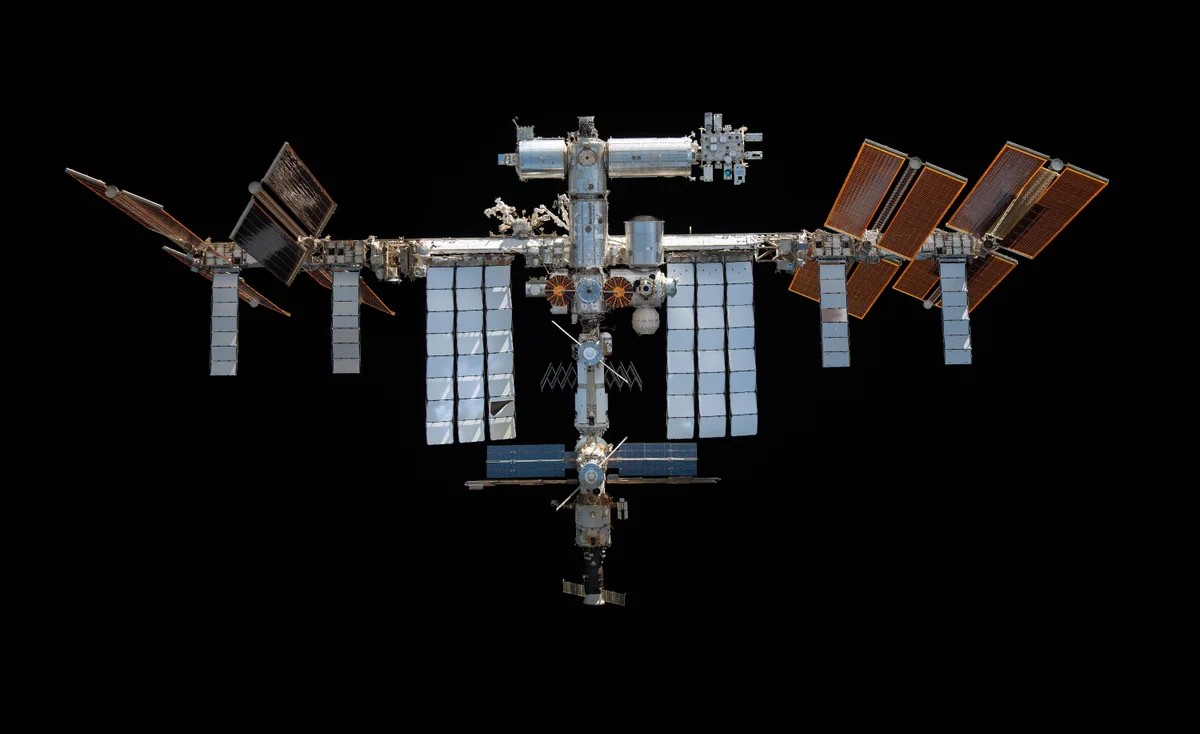
A groundbreaking study involving 24 mice launched to the International Space Station (ISS) in 2023 has identified a critical gravity level for maintaining muscular function in space. The findings, published in Science Advances, suggest that prolonged exposure to gravity below 0.67g significantly degrades muscle health, raising important questions for future long-duration space missions and potential colonization efforts on planets like Mars.
The Problem with Space and Human Biology
Humans evolved on Earth, under the consistent pull of 1g gravity. Space travel disrupts this fundamental biological requirement, causing muscle atrophy, bone density loss, and shifts in organ function. While astronauts experience these effects, the exact thresholds at which damage becomes irreversible have been poorly understood. This study provides the first detailed look at how varying gravity impacts muscle tissue in a controlled environment.
The Experiment: Mice in Zero-G and Simulated Gravity
Researchers from NASA and the Japan Aerospace Exploration Agency (JAXA) sent 24 mice into orbit aboard a SpaceX Falcon 9 rocket. The mice were divided into four groups, exposed to microgravity, 0.33g, 0.67g, and 1g for approximately four weeks. Upon return to Earth, scientists analyzed their soleus muscles (known for gravity sensitivity) for signs of deterioration. The results were clear: mice kept at 0.67g maintained near-normal muscle function, while those below that level experienced significant degradation.
Key Findings: 0.67g is the Threshold
The study revealed that at 0.33g, mice had comparable muscle size to those under full gravity but exhibited reduced grip strength. However, at 0.67g, their muscular function remained largely unaffected. This suggests that maintaining at least 67% of Earth’s gravity is crucial for preserving muscle health over extended periods. As Harvard Medical School professor Mary Bouxsein puts it, this provides “interesting information about long-duration missions to Mars and beyond.”
Implications for Mars Colonization
The findings have direct implications for future space exploration, particularly Elon Musk’s ambitions for Mars colonization. Mars’ gravity is approximately 38% of Earth’s (0.38g), well below the 0.67g threshold identified in the study. This suggests that merely existing on Mars would likely lead to significant muscle degradation over time, despite potentially reduced strength requirements on the planet.
What’s Next?
While mice are not humans, the study provides a critical foundation for further research. The next step will be to determine how these findings translate to human physiology, including the effects of exercise and artificial gravity systems. The study also raises questions about whether prolonged exposure to lower gravity causes permanent damage and whether countermeasures can effectively mitigate these effects.
“It does suggest that Mars gravity alone would not be enough to preserve muscle function,” says Bouxsein. “Maybe on the way back, when you’re coming back to Earth, you need to build it up so that you’re ready to go when you get back.”
Ultimately, this research underscores the biological challenges of long-term space travel and the need for innovative solutions to keep humans healthy in environments beyond Earth.