Up where humans can’t stay.
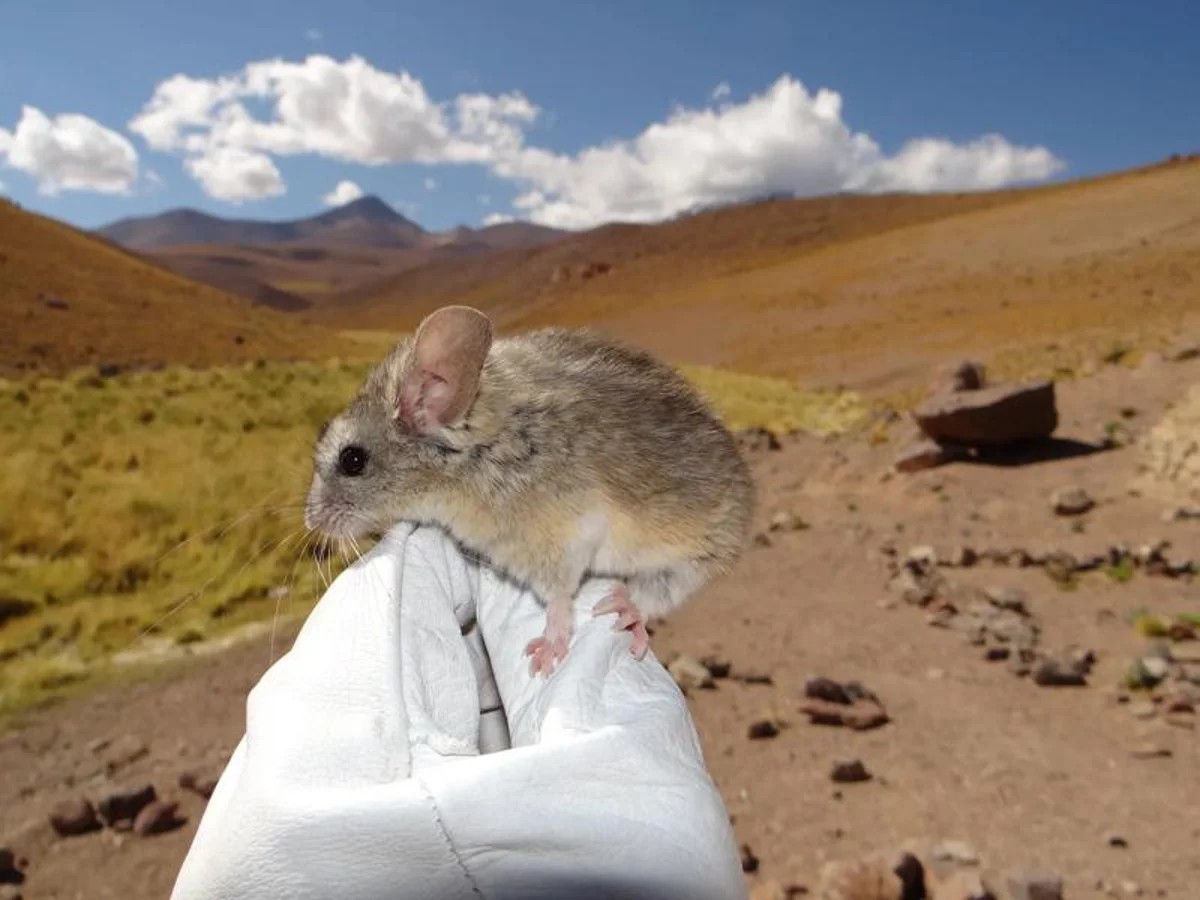
22,000+ feet above sea level, the Andean leaf-eared mouse lives.
It beats any human settlement by six thousand feet.
Six years ago climbers found one. Now science explains it.
Jay Storz scooped it up in 2020 for a closer look.
“This study is focused on how they evolved to survive thin air and constant freeze,” says Storz.
Half the oxygen here compared to coastlines.
Temperatures never thaw.
Most mammals die. These thrive.
Built Different
The Andean leaf-eared mouse covers the widest altitude range of any mammal.
Some live in Chilean desert dunes.
Others cling to Andes peaks.
Storz studied 167 of them. All ranges.
High-altitude specimens heat up faster.
Their skeletal muscles adapt. Shivering generates intense warmth.
They shiver to survive ice.
Eating The Poisonous
Genomics show familiar hypoxia traits.
Standard stuff for thin-air survivors.
But then came the twist.
These mice eat plants toxic to everything else.
Desert flora thrives in those arid peaks.
The mice metabolize it.
They evolved for bad air. Bad food. Bad luck.
“It is hard to evolve here,” Storz admits, having worked there. “We keep getting surprised. The environment feels actively hostile when you are standing in it.”
Human Implications?
Maybe.
Low-oxygen adaptation hints at medical fixes for humans.
Heart failure? Chronic hypoxia diseases?
The mouse offers clues.
Jorge Salazar-Bravo calls it an inflection point.
Also says we need more work.
“Each part tells a good story, but things are diluted together,” he argues.
Schuyler Liphardt agrees.
First stab only.
Mechanisms unclear.
Functions missing.
Questions remain:
- How does the muscle shivering actually switch on?
- Exactly which genes detoxify the leaves?
- What triggers these adaptations?
More to pursue.
Maybe next season.
Or next decade.