Standardized tests are failing to measure what truly matters in a rapidly changing world. Today’s education systems cling to outdated assessment methods—like “speed traps” that only show what a student knows, not how they learn. The solution isn’t simply better testing, but a fundamental shift: from auditing knowledge to actively supporting learning.
The Problem with Legacy Measurement
The skills employers demand—critical thinking, collaboration, AI literacy—cannot be captured on a bubble sheet. As AI reshapes the economy, the gap between education’s goals and its measurement tools is widening. Tests often reveal only whether a student got the right answer, failing to diagnose the process behind it. Was it understanding, memorization, or pure luck? This disconnect risks creating a generation unprepared for complex, real-world challenges.
Five Principles for Assessment Innovation
Experts propose a new paradigm built on five key design principles:
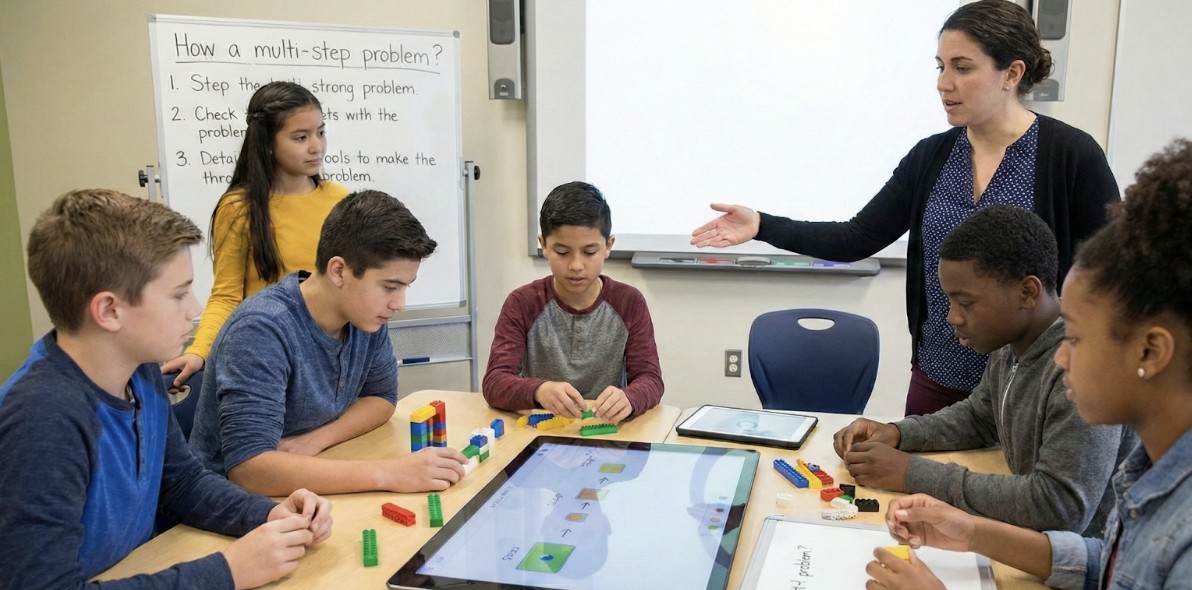
- Extended Performance Tasks: Assessments must simulate real-world scenarios, allowing students to demonstrate skills through extended projects and iterative problem-solving.
- Contextualized Knowledge: Skills aren’t isolated; they depend on prior knowledge. Assessments should evaluate critical thinking across multiple domains, providing the necessary resources for performance.
- Productive Failure: Learning often comes from mistakes. Assessments should embrace failure as a valuable part of the process, challenging students with unfamiliar tasks to measure adaptability.
- Real-Time Feedback: Tests should act as dynamic tutors, offering hints and insights when students struggle. AI-powered systems can analyze learning behavior—does the student give up or ask for help?
- Adaptive Difficulty: Assessments should have a “low floor” (accessible to all) and a “high ceiling” (challenging the most advanced), capturing the full range of each student’s ability.
Proof of Concept: Real-World Solutions
This isn’t theoretical. The OECD’s PILA platform and the PISA 2025 simulations are already piloting these approaches, providing real-time feedback and global data on digital learning readiness. Open-source solutions are making these tools reusable and transferable.
Why It Matters
Investing in better assessment isn’t just desirable; it’s essential. Critics cite cost and reliability, but well-designed interactive tasks offer more observation points into student reasoning. The true cost lies in failing to prepare future generations for the AI era.
To assess is, ultimately, to teach and to learn. It’s time to give students the tools they deserve—a GPS for navigating the complexities of a rapidly evolving world.