The American workforce is facing a growing skills gap, with employers reporting that many recent graduates lack the practical experience needed for success. Roughly half of K-12 students don’t have meaningful engagement in school, and a mere 2% complete hands-on career learning before graduation. This disconnect is driving a surge in demand for high school career academies – structured, three-to-four-year programs that combine academics with real-world work experience.
Recent investments suggest these academies could double in number over the next five years, offering a scalable solution to address this issue. The model is proven: academies integrate internships, client projects, and entrepreneurial opportunities into curricula, preparing students not just for college, but for immediate employment.
Leading Models Driving Growth
Several organizations are spearheading this expansion. NAF Academies, founded in 1980, currently supports over 634 schools in fields like Engineering, Finance, and IT, often leveraging curriculum from Project Lead The Way (PLTW). These academies rely on business advisory boards to ensure relevance, frequently securing paid summer internships for students.
A recent $5 million investment from Britebound and a $15 million commitment from Walton Family Foundation will accelerate NAF’s growth, focusing on deeper work-based learning and educator development.
Regional Success Stories and Collaborative Approaches
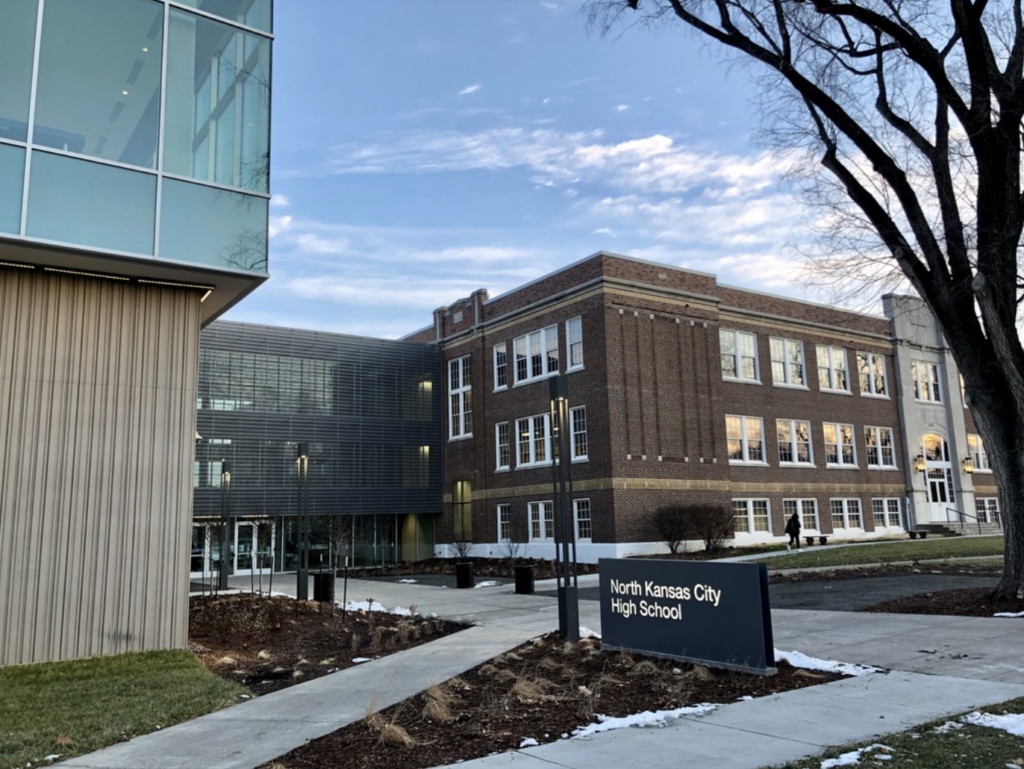
The Linked Learning Alliance, born from a California initiative, has demonstrated success in improving graduation rates and career readiness in districts like Long Beach and San Diego. Schools in North Kansas City, Missouri, are embedding work-based learning through the Kauffman-sponsored Real World Learning initiative, offering students practical experience alongside traditional coursework.
Linked Learning’s model integrates college-preparatory academics with career-technical education, supported by personalized counseling and employer partnerships. A $10 million California pilot program will further refine this approach.
Ford NGL and Local Adaptations
Ford Next Generation Learning (Ford NGL) offers a typical three-year model starting with career exploration before specialization. Schools like Belton High in Kansas City have implemented five-year plans to ensure smooth integration.
In Minnesota, Shakopee High offers six academies with Career Expos, while Burnsville High provides industry certifications and even the chance to earn an Associate’s degree while still in high school.
The Tacoma Model: A Systems-Level Approach
Tacoma Public Schools in Washington state has updated its career academy portfolio using the Advance CTE Career Clusters Framework, emphasizing cross-cutting skills like critical thinking and collaboration. The district is also implementing the MAP(s) framework – mindsets, assets, practices, and systems – to ensure sustainable growth and long-term impact.
Their Jobs 253 program connects students with paid, mentored internships, helping them map their futures whether they choose college, a career, or entrepreneurship.
Ultimately, these initiatives are shifting the focus from simply “guiding students to a job” to “building an ecosystem for lifelong exploration, preparation, and possibility,” as Adam Kulaas of Tacoma Public Schools put it. This represents a fundamental change in how high schools prepare students for the modern workforce.