The modern Christmas tree tradition, tracing back to 19th-century German immigrants in Pennsylvania and popularized by Queen Victoria, is now facing unprecedented challenges due to climate change. While many consumers are shifting to artificial trees for convenience and cost, the demand for real trees persists – with roughly 14 million sold annually in the U.S. However, growers are increasingly weathering extreme conditions that threaten production.
The New Realities for Christmas Tree Farms
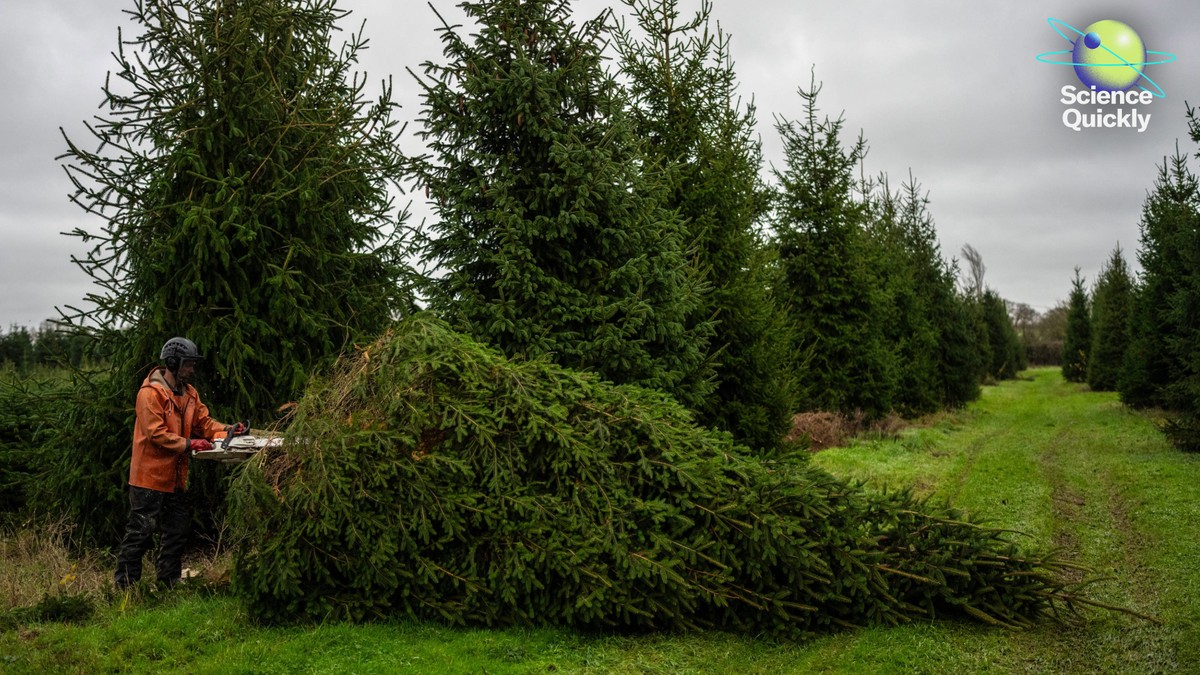
Christmas trees are not simply wild evergreens; they’re a significant agricultural commodity, cultivated like any other crop, but with a much longer harvest cycle (5-10 years). Unlike forests, farmed trees are pruned to achieve the ideal conical shape consumers expect, requiring substantial investment in time and labor. The biggest immediate threat is shifting weather patterns.
Priya Rajarapu, a Christmas tree extension specialist at Oregon State University, explains that growers are now facing extended droughts in regions like the Pacific Northwest, where 100-day dry spells are becoming common. Historically, these areas received consistent rainfall until July, providing ample moisture for seedling establishment – a critical phase where young trees must survive their first year. Prolonged drought makes this much harder.
Adapting to Survive: New Strategies in the Field
Farmers aren’t standing still. Rajarapu’s research focuses on mitigating these risks through several approaches:
- Mulching: Covering seedlings with materials like wood chips, sawdust, compost, or even repurposed hazelnut shells helps retain moisture and regulate soil temperature. While concerns about disease transmission from certain mulches exist, preliminary results show any mulch is better than none.
- Root Dips: Applying inert polymer coatings to roots can aid in moisture retention and nutrient absorption.
- Species Diversification: Growers are experimenting with non-native species like Nordmann and Turkish firs, originally sourced from Europe. These trees have proven more resilient to temperature fluctuations and pests compared to native species like noble fir. Seed orchards have been established to propagate these hardier varieties.
The Future of Real Trees
Despite the challenges, supply hasn’t yet outpaced demand. Growers are working hard to keep live trees accessible. The primary factor that may shift consumer behavior is price. Artificial trees offer a one-time cost for long-term use, while real trees require annual repurchase.
“We are trying really hard to keep the number of trees, the live trees, accessible to all consumers. We usually have more trees than we have consumers, so I don’t think so…” – Priya Rajarapu
The future of the Christmas tree industry hinges on ongoing adaptation. While climate change poses serious threats, growers are actively seeking solutions to ensure that the tradition of bringing a fresh-cut tree into homes remains viable for years to come.