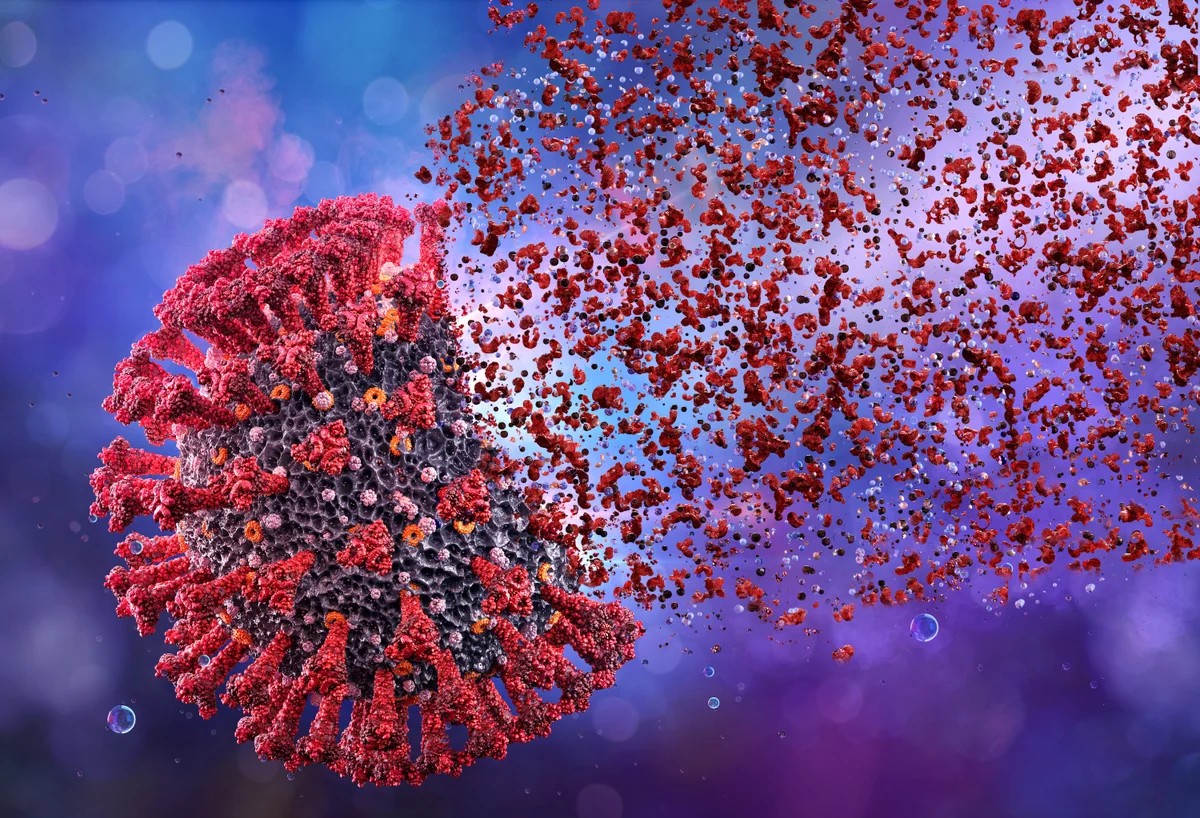
Messenger RNA (mRNA) vaccine technology emerged as a critical tool during the COVID-19 pandemic, offering a novel approach to immunity. Despite initial skepticism, mRNA vaccines proved remarkably effective, preventing an estimated eight million COVID infections within the first six months of their rollout. However, political setbacks—including funding cuts and initial FDA resistance—have complicated the technology’s broader adoption, particularly for influenza. Despite these challenges, scientists believe mRNA holds immense promise not only for infectious disease control but also for cancer treatment.
How mRNA Vaccines Function
Vaccines work by training the immune system to recognize threats before they cause harm. Traditional vaccines introduce weakened or inactivated viruses, or viral proteins, triggering a mild immune response that prepares the body for future encounters. mRNA vaccines differ by delivering a genetic blueprint—a snippet of mRNA—that instructs the body to produce a specific viral protein. This protein then triggers an immune response without the risk of infection.
Concerns about genetic alteration are unfounded; mRNA does not integrate into the host’s DNA. “It’s not going to change your DNA,” explains infectious disease physician Sabrina Assoumou, as mRNA breaks down rapidly within cells. To enhance stability, the mRNA is encased in lipid nanoparticles—tiny fatty bubbles that facilitate cellular absorption before being degraded by enzymes.
mRNA vs. Traditional Vaccine Approaches
Historically, vaccines have fallen into three main categories:
- Whole-virus vaccines: Use inactivated or weakened pathogens, offering strong protection but with potential side effects.
- Subunit vaccines: Contain only specific pathogen components (proteins), ensuring safety but sometimes requiring immune-boosting adjuvants. Examples include those for RSV, HPV, and hepatitis B.
- mRNA vaccines: Deliver genetic instructions for the body to produce the target protein, streamlining the manufacturing process.
The key advantage of mRNA is its speed. Rather than manufacturing proteins in a lab, the body’s own cells handle that step, accelerating vaccine development. This was crucial during the COVID-19 pandemic, where rapid adaptation to new variants was essential.
Side Effects and Limitations
mRNA vaccines, like all medical interventions, can cause side effects. Common reactions to COVID mRNA vaccines include pain, fever, and headaches, though these are typically mild and short-lived. Rare cases of myocarditis (heart inflammation) have been reported, primarily in young men after the first dose, but the risk remains lower than that associated with COVID-19 infection itself.
One weakness of mRNA vaccines is their relatively short-lived protection against infection. The production of long-term “memory” cells appears lower compared to other vaccine types, although the reasons for this are still under investigation.
The Future of mRNA Technology
The speed and flexibility of mRNA technology make it invaluable for pandemic preparedness. The ability to rapidly update vaccines to match emerging viral strains is a significant advantage, as demonstrated by the COVID-19 experience. Flu vaccines could benefit similarly, as mRNA platforms can respond faster than traditional methods.
“This is a really great, flexible platform that helped us get out of the COVID-19 pandemic and will be useful in future outbreaks,” says virologist Alyson Kelvin. The technology’s potential extends beyond infectious diseases, with ongoing research exploring applications in cancer treatment.
In conclusion, mRNA vaccines represent a transformative shift in immunology, offering rapid development, adaptable protection, and potential for tackling a wider range of health challenges. While limitations exist, ongoing research continues to refine the technology, solidifying its place in the future of medicine.