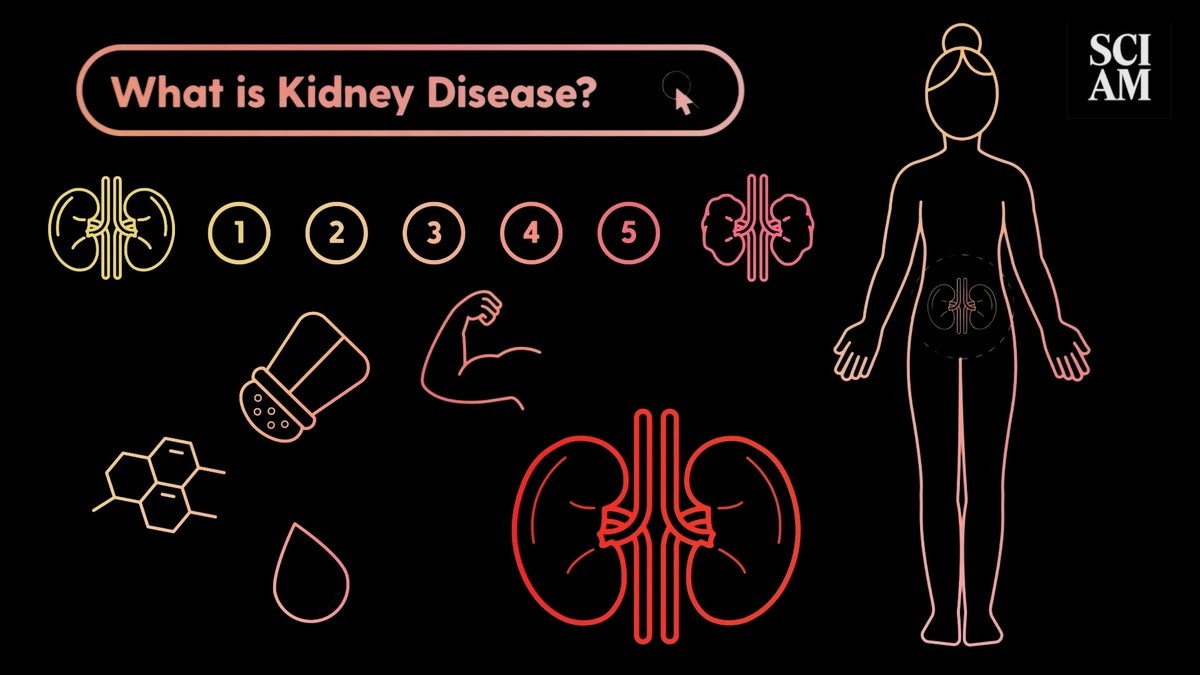
Chronic kidney disease (CKD) affects roughly 10% of adults globally, yet remains a largely misunderstood and often late-diagnosed condition. This is not merely a medical statistic; it’s a slow-burning health crisis that claims over a million lives annually. The reason for the lack of awareness is simple: kidneys do their job silently, filtering blood without noticeable symptoms until significant damage occurs.
How Kidneys Work: The Body’s Invisible Filters
The kidneys are essential for survival. Every day, they process around 150 quarts of blood – roughly the equivalent of drinking a gallon and a half of water every hour. This filtration happens through millions of microscopic units called nephrons. Each nephron contains two key parts: the glomerulus, which acts as the initial filter, and the tubule, which reabsorbs essential nutrients back into the bloodstream while expelling waste as urine.
Essentially, kidneys maintain the delicate balance of salts, fluids, and nutrients that every cell needs to function. When this system fails, the consequences are severe.
The Two Main Culprits: Diabetes and High Blood Pressure
The most common causes of CKD are diabetes and high blood pressure. Uncontrolled blood sugar in diabetes damages the filters (glomeruli), allowing proteins to leak into urine. High blood pressure, conversely, physically strains kidney tissues due to the force of blood flow. This creates a dangerous cycle: declining kidney function leads to higher blood pressure, which further damages the kidneys.
The insidious nature of this disease is that it often progresses without noticeable symptoms until it reaches an advanced stage. Doctors diagnose it through blood and urine tests that measure waste and protein levels, as well as by calculating the estimated glomerular filtration rate (eGFR) – a metric of kidney function.
Stages of Kidney Disease: From Early Decline to Failure
CKD is categorized into five stages, from stage 1 (normal function) to stage 5 (near or complete failure). As the disease progresses, symptoms such as anemia, nerve damage, and bone problems emerge. Once 10–15% of kidney function remains, treatment options become limited to hemodialysis (artificial blood filtration) or kidney transplant.
While both dialysis and transplants are effective treatments, neither is a cure. Transplant recipients must take immunosuppressants to prevent organ rejection, and both treatments require ongoing management.
The Search for a Cure: Emerging Treatments and Future Hope
Despite the lack of a definitive cure, research is ongoing. Scientists are identifying key genes involved in kidney disease, which could become targets for future therapies. One promising approach involves harvesting a patient’s own kidney cells, growing them in the lab, and then re-injecting them to promote organ repair.
Kidney disease is a complex, chronic condition that demands better awareness, earlier detection, and continued investment in research. The stakes are high: without effective intervention, it remains a silent killer for millions worldwide.
The body’s filtration system, often overlooked, deserves respect. The bean-shaped organs work tirelessly to keep us healthy, and when they fail, the consequences are devastating.