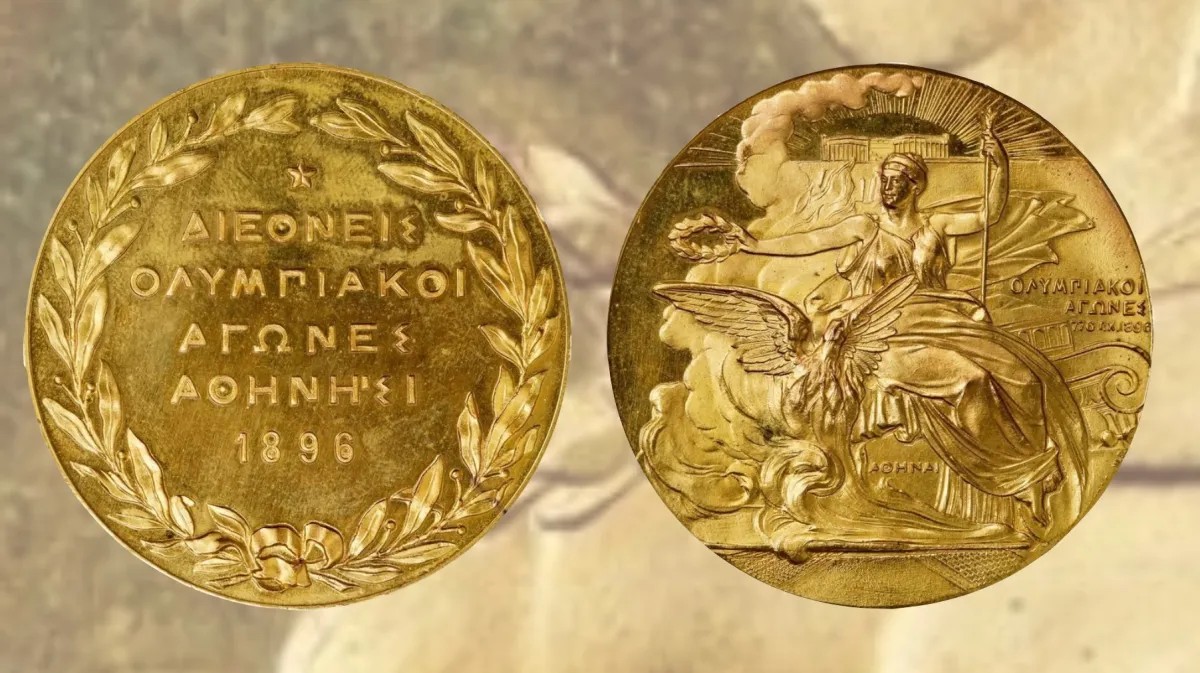
The allure of Olympic glory extends beyond the athletic arena – now, even collectors can bid on a piece of history. Stack’s Bowers Galleries’ upcoming auction features medals from the Richard Jewell Collection, including artifacts from the very first modern Olympic Games in 1896. This event presents a unique opportunity to own tangible relics of a sporting tradition stretching back over a century.
The Dawn of Modern Competition (1896)
The modern Olympic movement began in Athens, Greece, in 1896, reviving an ancient tradition. Fourteen nations sent athletes to compete, with Greece, Germany, France, and Great Britain representing the largest contingents. The games marked the rise of early Olympic heroes like Alfréd Hajós of Hungary, who dominated swimming events, and James Connolly of the United States, a triple jump champion. These inaugural games laid the foundation for the global spectacle we know today.
Scandals and Innovation (1904)
The 1904 St. Louis Olympics saw the introduction of gold, silver, and bronze medals—but also early examples of cheating. Runner Fred Lorz infamously took a car for part of the marathon, only to be disqualified. This incident highlights the enduring tension between athletic ambition and fair play, a theme that continues to resonate in modern sports.
The Rise of Winter Games (1924)
The first Winter Olympics in Chamonix, France, in 1924 expanded the Olympic spirit to include snow and ice. Canada’s hockey team showcased its dominance, scoring a staggering 85 goals in its first three matches. This event established winter sports as a core part of the Olympic tradition.
Chaotic Beginnings (1932)
The 1932 Winter Games in Lake Placid introduced women’s speed skating, but also experimented with a chaotic mass-start format. This system, abandoned after one cycle, stands as an example of how the Olympics have refined and standardized its events over time. The Summer Games in Los Angeles that same year marked another milestone: the first medal podium ceremonies, where winners stood on a raised platform as their national flags were hoisted. Notably, athletes were segregated by gender, with men housed in an Olympic Village while women stayed in hotels.
Evolution and Dominance (1956)
The 1956 Winter Games in Cortina d’Ampezzo saw the debut of the Soviet Union, which quickly asserted its dominance. The USSR’s success in speed skating and ice hockey signaled the start of a new era of geopolitical competition within the Olympics. This event underscored how the games could become a stage for national prestige and Cold War rivalry.
The auction for these historic medals begins February 27th at 9:00 a.m. PST. These artifacts offer a tangible link to the evolution of the modern Olympic movement, from its humble beginnings to its current status as a global cultural phenomenon.