For decades, medical science treated Frontotemporal Dementia (FTD) and Amyotrophic Lateral Sclerosis (ALS) as distinct clinical entities. On the surface, the symptoms bear little resemblance: FTD primarily erodes personality, decision-making, and language, while ALS attacks the motor neurons, leading to muscle weakness and the loss of physical control.
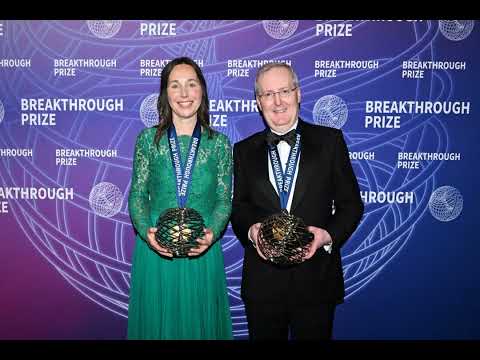
However, a groundbreaking discovery has revealed that these two devastating conditions may actually be different expressions of the same underlying biological problem. This revelation, which recently earned neurogeneticists Bryan Traynor and Rosa Rademakers the 2026 Breakthrough Prize in Life Sciences, has fundamentally shifted how we understand neurodegeneration.
The Search for a Common Root
The connection was not immediately obvious. While most cases of ALS are “sporadic” (occurring without a clear family history), about 5% to 10% are hereditary. The clue for researchers lay in the families: some lineages exhibited patterns where members developed FTD, others developed ALS, and some suffered from both.
The breakthrough came when researchers identified a mutation in a specific gene called C9ORF72. This discovery was particularly difficult because the mutation isn’t a simple “typo” in the genetic code. Instead, it is a repeat expansion —a segment of DNA that repeats hundreds or even thousands of times.
Why was this mutation so hard to find?
- Complexity: Standard genetic sequencing often looks for single-letter changes.
- Size: The massive, repetitive nature of the C9ORF72 mutation made it “invisible” to traditional methods.
- Innovation required: Researchers had to develop entirely new techniques to detect these massive expansions.
How the Mutation Destroys Cells
The C9ORF72 mutation acts as a “double hit” to the nervous system, attacking cells through two distinct mechanisms:
- Toxic Accumulation: Even though the mutation occurs in a non-coding region of the gene, it creates “toxic” RNA and small proteins that clutter and damage the cell.
- Loss of Function: The mutation reduces the production of the healthy C9ORF72 protein by about 50%. This protein is vital for clearing cellular debris and supporting the brain’s immune system.
Ultimately, these two issues appear to drive the malfunction of another protein called TDP-43. When TDP-43 misbehaves, it becomes a primary driver of cell death in both the brain (FTD) and the spinal cord (ALS).
From Theory to Treatment: What This Means for Patients
Understanding this genetic link has moved the conversation from observation to intervention.
Clinical Implications
Doctors are now more aware that ALS and FTD are part of a spectrum. An ALS patient might exhibit subtle cognitive or behavioral changes previously thought to be unrelated to their motor symptoms. This unified view encourages more comprehensive screening.
The Path to Therapy
The discovery has paved the way for Antisense Oligonucleotide (ASO) therapy, a technique designed to eliminate the toxic proteins produced by the mutation. While early clinical trials have faced setbacks—likely because they addressed the toxic proteins but didn’t replace the missing healthy protein—the research is evolving. Scientists are now working on more sophisticated approaches to tackle both sides of the problem.
Early Intervention
Because the genetic cause is known, it is now possible to offer genetic testing to at-risk family members. This allows researchers to study individuals in the earliest, pre-symptomatic stages of the disease, providing a window to intervene before irreversible damage occurs.
The Unsolved Mysteries
Despite 15 years of progress, two major questions remain:
* The “Why” of Divergence: Why does the same mutation cause ALS in one family member but FTD in another? Researchers suspect other genetic or lifestyle factors may act as “switches” that determine which disease manifests.
* The Mystery of Resilience: Some individuals carry the mutation but remain healthy well into their 80s. Understanding why these people are protected could provide the blueprint for future treatments.
“We have to come together,” says Rademakers. By merging the data from FTD and ALS research, scientists hope to finally decode the full complexity of this shared genetic shadow.
Conclusion
By identifying the C9ORF72 mutation, scientists have bridged the gap between two seemingly unrelated diseases, transforming them into a single field of study. This shift is driving the development of targeted genetic therapies and offering new hope for early intervention in neurodegenerative care.