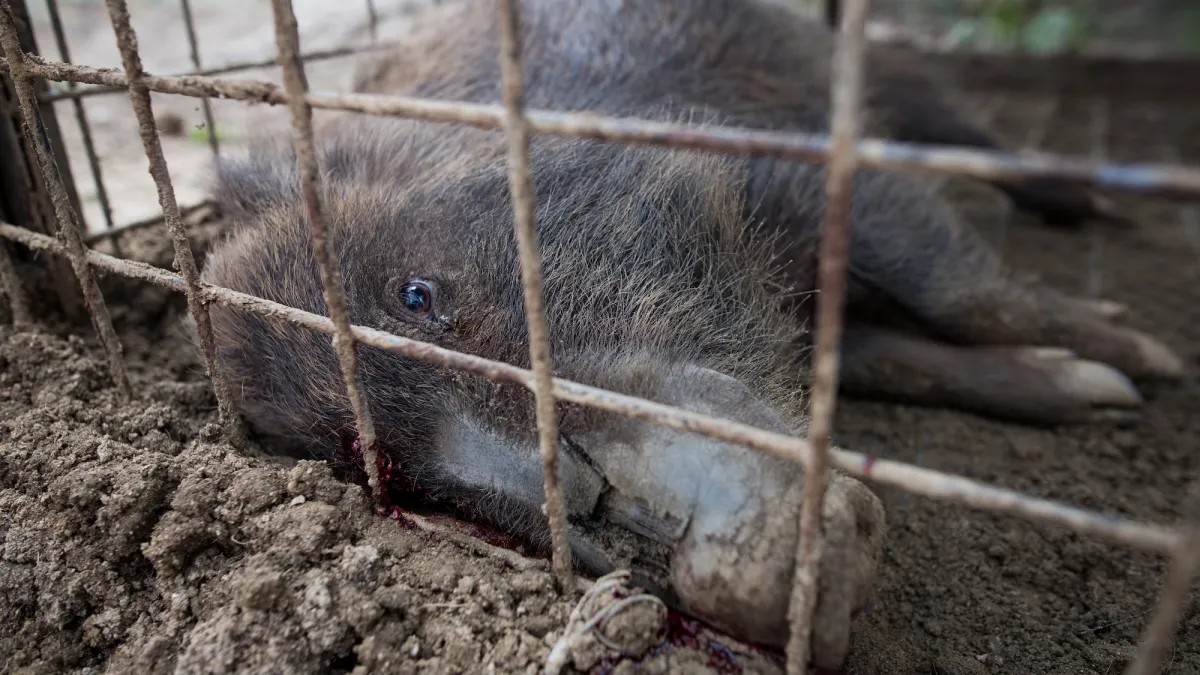
The Fukushima Daiichi nuclear disaster in 2011 triggered an unintended evolutionary experiment. Domestic pigs abandoned after the evacuation of surrounding areas have rapidly hybridized with wild boars, creating a unique population with surprisingly accelerated genetic turnover. This phenomenon, studied by researchers at Fukushima and Hirosaki Universities, provides unprecedented insight into hybridization dynamics in the wake of ecological upheaval.
The Disaster and Its Aftermath
The 9.0 magnitude earthquake and subsequent tsunami that devastated Japan in 2011 left behind a radioactive landscape. While the Fukushima plant’s containment prevented a catastrophic meltdown comparable to Chernobyl, the immediate impact was severe: over 164,000 people were displaced, and livestock—including domestic pigs on local farms—were left to roam the abandoned countryside. The long-term effects of this ecological disruption are still unfolding.
The Unexpected Hybridization
Unlike typical conservation efforts focused on culling invasive hybrids, the Fukushima swine were left unchecked. This allowed researchers to observe an unusual genetic shift: domestic pig genetics are not simply blending into the wild boar population, but accelerating its reproductive cycle. The study, published in the Journal of Forest Research, shows that maternal pig lineages are speeding up generational turnover in the wild boars.
Why This Matters
This finding challenges previous assumptions about hybridization. Domestic pigs reproduce year-round, unlike boars that typically breed once annually. This trait has been passed down through maternal lines, diluting pig genes faster than expected but also increasing the overall reproductive rate of the hybrid population.
“We wish to emphasize that this mechanism likely occurs in other regions worldwide where feral pigs and wild boars interbreed,” said Hirosaki University geneticist Donovan Anderson.
Implications for Invasive Species Control
Understanding that maternal swine lineages accelerate generation turnover is crucial for predicting population explosion risks in other areas where feral pigs and wild boars interbreed. This research could inform more effective invasive species mitigation strategies by highlighting the importance of rapid reproductive cycles in hybrid populations.
The Fukushima disaster created an accidental, large-scale hybridization event. This experiment in real-time evolution demonstrates that ecological catastrophes can trigger unexpected genetic shifts, with long-term implications for wildlife management and conservation efforts worldwide.