


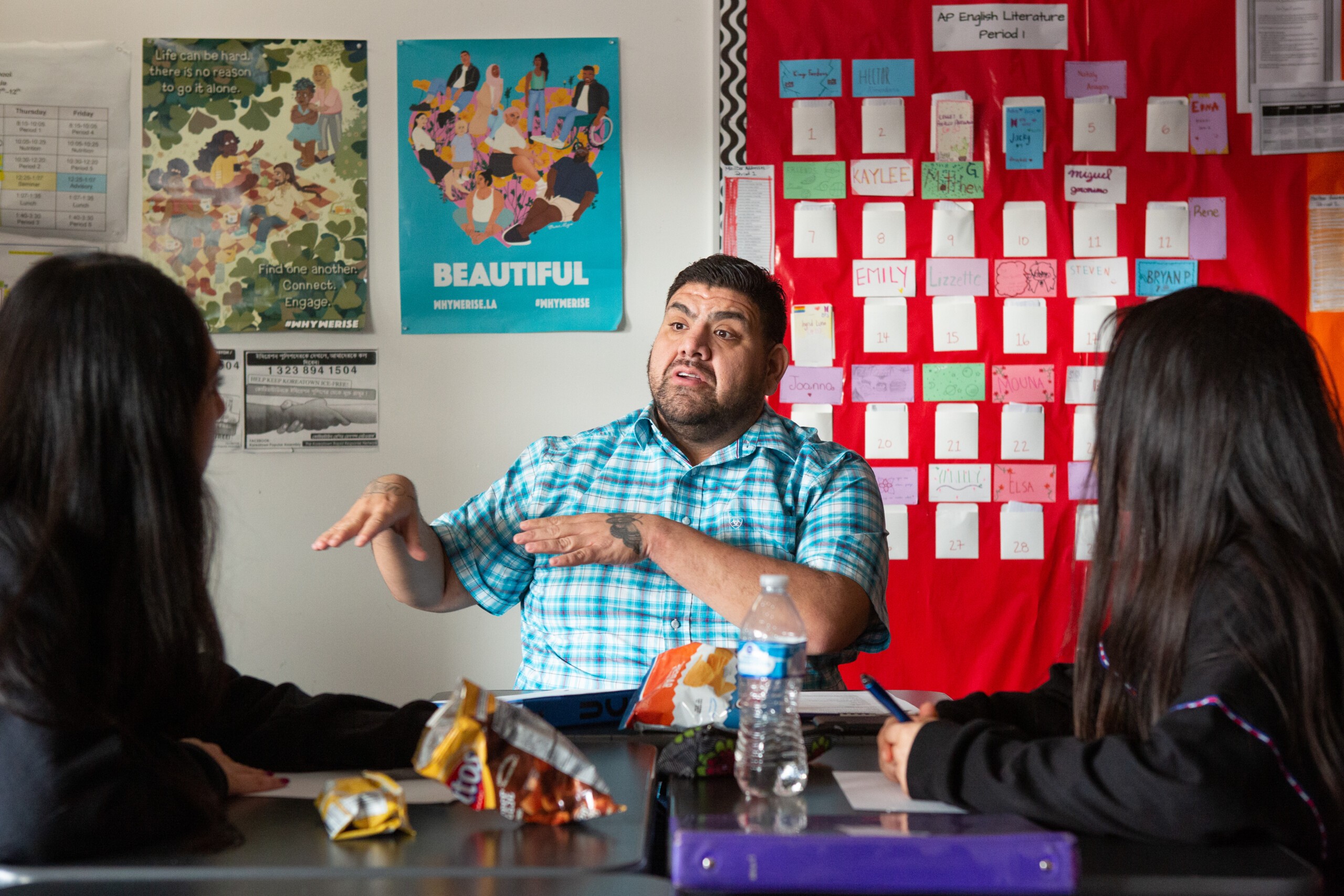
The rise of artificial intelligence is reshaping how young people seek support, with a growing number turning to chatbots for emotional connection. While this trend presents challenges, it also highlights the urgent need to redefine the role of school counselors – not to compete with AI, but to leverage it responsibly and ensure students receive comprehensive, human-centered care.
The Shift to Digital Companionship
Recent data reveals a significant shift in how individuals, especially teenagers, cope with loneliness and emotional distress. A staggering 72% of teens now seek solace in large-language models, chatbots, and AI companions. This isn’t merely a technological curiosity; it reflects a deeper need for accessible, non-judgmental support, something AI appears uniquely positioned to provide. OpenAI’s internal data further confirms that conversations with AI often delve into profoundly personal topics, including psychosis, suicidal ideation, and unhealthy emotional reliance.
These conversations are not just numbers in a report; they represent real struggles happening at scale. The fact that over 700 million people interact with platforms like ChatGPT weekly means that even small percentages translate into over one million individuals seeking support from AI each week. This underscores the importance of understanding why young people turn to these tools – anonymity, availability, and a perceived lack of judgment all contribute to their appeal.
The Counselor’s Role in a Hybrid Future
Historically, school counselors have been stretched thin, often burdened with administrative tasks rather than direct student support. The national average student-to-counselor ratio remains at a concerning 376:1, far exceeding the American School Counselor Association’s recommended 250:1. Many states, like California, face even worse ratios, with counselors serving nearly 500 students each.
Given these constraints, AI tools can be a valuable supplement. Platforms like SchoolAI, Wysa, and MagicSchool are already being used for student support, wellness monitoring, and even administrative automation. However, the key isn’t to replace counselors with AI; it’s to equip them with the resources and training to integrate these technologies effectively.
Dr. Russell Sabella, a former school counselor and expert in educational technology, emphasizes that a true partnership between humans and AI is essential. “We can build guardrails and monitoring systems, but kids always find a way,” he explains. “We can’t rely on technology alone; it will require a true partnership between humans and AI.”
The Three Pillars of Responsible Integration
To navigate this changing landscape, schools must focus on three critical areas:
- AI Literacy: Students need to understand how these tools work, their limitations, and the potential risks of overreliance. This isn’t just about technical skills; it’s about fostering critical thinking and responsible digital citizenship.
- Behavioral Compliance: OpenAI suggests that AI responses should mirror the standards of crisis intervention – empathy, resource provision, and avoidance of harmful advice. Schools should expect the same functionality from any AI tools they adopt. This includes transparency in data usage and clear guidelines for student interactions.
- Human-AI Collaboration: The goal isn’t to ban AI but to build a system where counselors can leverage it effectively. This requires adapting existing frameworks (like OpenAI’s mental health taxonomy or Common Sense Media guidelines) and creating a “we spot it, we share it” culture where teachers and students report concerning AI interactions.
A Phased Approach to Implementation
Sabella proposes a multi-tiered system of support, similar to Response to Intervention (RTI). Tier 1 would involve universal AI literacy training for all students. Tier 2 would provide extra support for those struggling with emotional reliance or unhealthy AI interactions. Tier 3 would require a collaborative approach involving teachers, administrators, and support staff for students with severe concerns.
The key is to involve students in the process. As Sabella points out, adults fumbled the response to social media’s impact on mental health. Learning from past mistakes means actively engaging young people in developing guardrails and monitoring systems.
The future isn’t a choice between human counselors or chatbots. It’s about building relationships that blend both, grounded in empathy, guided by ethics, and centered on care.
Ultimately, the goal isn’t to filter or ban AI, but to prepare counseling systems, policies, and students themselves for meaningful human-AI collaboration. This requires a shift in mindset: from viewing AI as a threat to recognizing its potential as a tool for enhancing student well-being when used responsibly.


