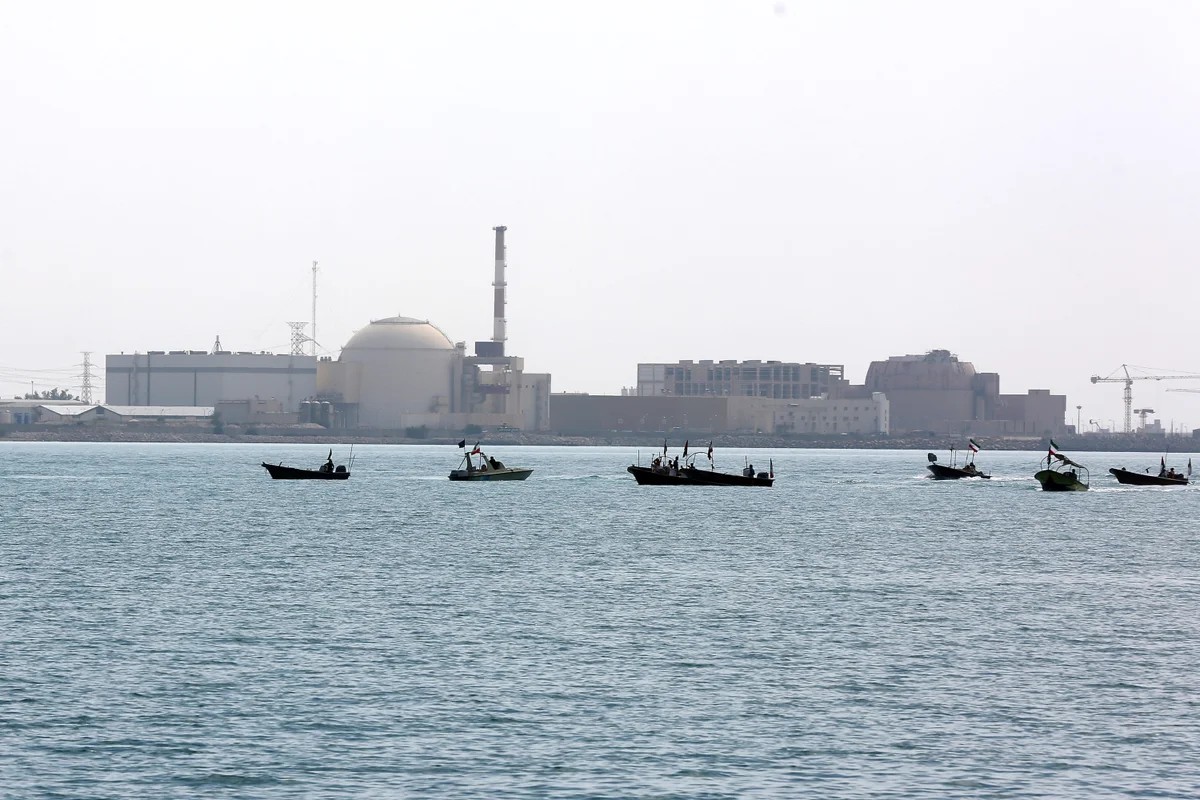
The Bushehr nuclear power plant, located on Iran’s coast near the Persian Gulf, has become a focal point of geopolitical tension. While a fragile ceasefire has temporarily paused direct hostilities, the facility has already sustained several nearby missile strikes during recent conflicts. As military tensions escalate, experts warn that any direct hit on the plant could trigger a slow-moving but devastating environmental catastrophe.
The Mechanics of a Potential Disaster
Contrary to cinematic depictions of instant, fiery explosions, a nuclear accident at Bushehr is more likely to be a gradual failure of safety systems.
According to Ali Alkis, a nuclear security expert at Hacettepe University, the primary threat is a loss of cooling. If military strikes compromise both the external power grid and the plant’s backup systems, the reactor core could overheat. This leads to a meltdown where the nuclear fuel physically melts, potentially breaching the reinforced concrete-and-steel containment structure designed to keep radiation trapped.
The risk extends beyond the reactor itself to the spent fuel holding ponds. These ponds store highly radioactive material used in the energy production process. If these ponds are damaged or lose their cooling capabilities, they could overheat, causing a cascading meltdown that releases radioactive isotopes into the atmosphere or directly into the sea.
Environmental and Humanitarian Consequences
The primary contaminant of concern is Cesium-137, a byproduct of spent fuel. This isotope poses several specific threats:
- Radiological Hazard: It emits dangerous gamma radiation and has a half-life of 30 years, meaning it remains active in the environment for decades.
- Water Contamination: Cesium is highly soluble in water. A breach in the cooling ponds could leak radioactive material directly into the Persian Gulf.
- Food Security: Contamination of the Gulf would devastate local fisheries, a vital food source for the region.
- Drinking Water Crisis: Many Gulf nations rely heavily on desalination to provide drinking water. While technologies like reverse osmosis—used during the Fukushima cleanup—can help filter out certain contaminants, a major leak would trigger an immediate and severe water crisis. For instance, officials in Qatar have noted that their water supplies could be compromised within days of a major accident.
A Growing Trend of Nuclear Vulnerability
The situation at Bushehr is not an isolated incident but part of a worrying global trend where nuclear infrastructure becomes a casualty of modern warfare.
The precedent set by the occupation of the Zaporizhzhia nuclear power plant in Ukraine has demonstrated that established international norms regarding the protection of nuclear sites are increasingly fragile. Experts suggest that even if a plant is not directly hit, adversaries may target surrounding infrastructure to disrupt power supplies or force shutdowns. This “indirect” targeting creates extreme instability, significantly raising the risk of a catastrophic accident.
As more nations integrate nuclear energy into their grids to meet climate goals, the intersection of energy security and military conflict becomes a critical global risk.
“The Ukraine precedent makes it clear that there don’t seem to be too many rules when it comes to attacking nuclear power plants in wartime.”
Conclusion
The threat to the Bushehr plant represents more than a localized military concern; it is a potential trigger for a regional environmental and humanitarian crisis. As nuclear energy expands globally, the lack of established protections for these facilities during conflict remains one of the most significant risks to international safety.