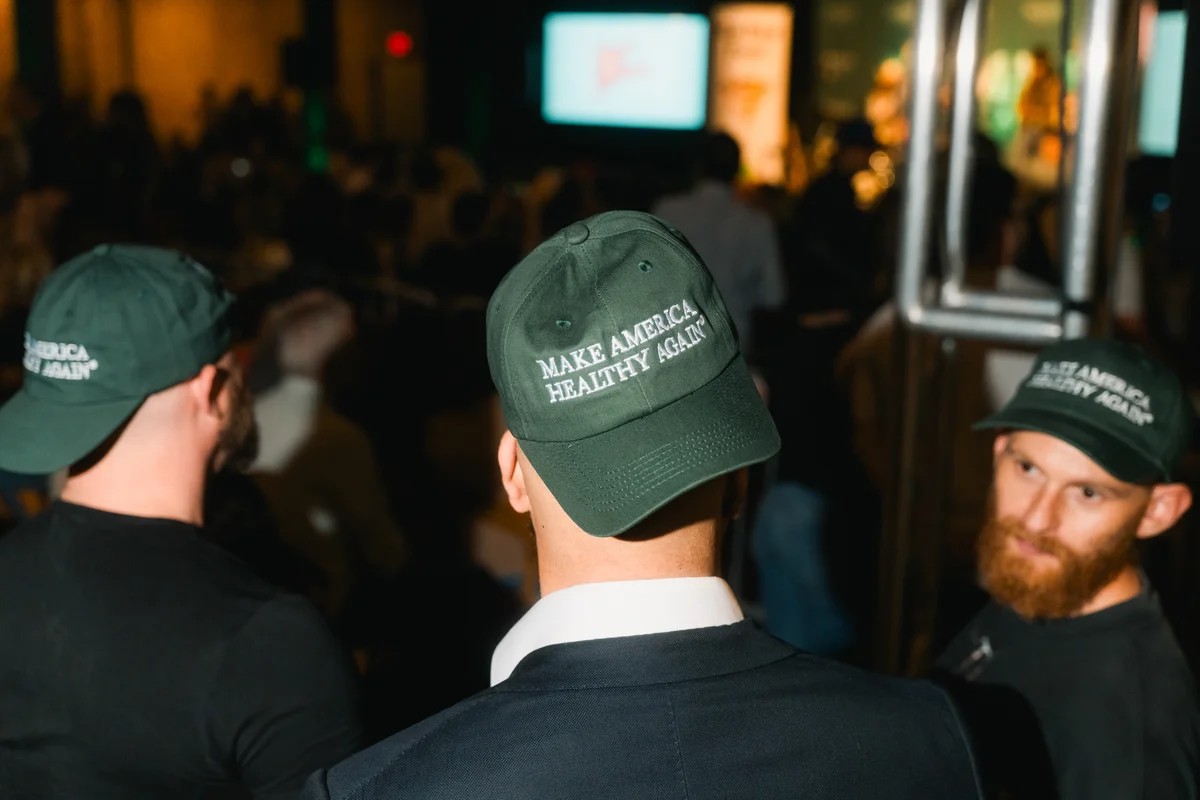
A new poll reveals a significant divergence between the public persona of the “Make America Healthy Again” (MAHA) movement and the actual priorities of its supporters. While the movement is closely associated with controversial stances on vaccine safety and pesticide use, lowering health care costs remains the dominant concern for its voters.
According to data released by the Kaiser Family Foundation (KFF), 42 percent of MAHA supporters cited reducing health care and prescription drug prices as their top policy priority. This figure significantly outpaces support for the movement’s signature issues: only 21 percent prioritized reducing chemical additives in food, and a mere 10 percent listed reevaluating vaccine safety as their primary goal.
The Political Reality of MAHA
The MAHA movement, championed by Health Secretary Robert F. Kennedy Jr., has positioned itself at the intersection of wellness advocacy and public health skepticism. While it promotes lifestyle changes such as exercising regularly and avoiding processed foods, it has faced intense criticism from medical professionals for questioning established science regarding vaccines and conditions like autism.
However, the polling data suggests that the movement’s electoral base is driven more by economic anxiety than by ideological opposition to medical science. The survey, conducted in April 2026 among more than 1,300 adults, highlights that cost concerns transcend traditional political lines within this demographic.
Despite MAHA voters being predominantly registered Republicans (just over half), the issue of affordability resonates across the spectrum:
* 57 percent of Democratic MAHA voters identified health care costs as their top priority.
* 40 percent of Republican MAHA voters shared this view.
* Independents, who make up nearly a third of the group, also aligned with this sentiment.
Implications for the 2026 Midterms
The financial pressure of health care is not just a policy preference for these voters; it is a decisive electoral factor. The poll indicates that 56 percent of MAHA supporters believe health care costs will have a “major impact” on their voting decisions in the upcoming 2026 midterm elections. Furthermore, approximately half stated that these costs would influence whether they vote at all, underscoring the tangible effect of economic policy on civic engagement.
Key Takeaway: While the MAHA movement is often defined by its controversial health stances, its supporters are primarily motivated by the high cost of living and medical care.
Conclusion
The data clarifies that for the majority of MAHA voters, the movement is less about rejecting medical science and more about demanding accessible, affordable health care. This distinction is crucial for policymakers and analysts who must recognize that economic pragmatism, rather than ideological purity, drives this segment of the electorate.