Insects dominate life on land, making up an estimated 80% of all named animal species. Yet, despite oceans covering over 70% of Earth’s surface, they are strikingly absent from marine environments. This isn’t random; it’s a story of evolutionary trade-offs and ecological niches already occupied.
The Ancient Split: From Sea to Land
The reason insects didn’t colonize the ocean boils down to timing. By the time insects evolved roughly 440 million years ago, the seas were already teeming with life, particularly crustaceans like crabs and shrimp. These creatures had diversified into nearly every undersea role, filling the same ecological slots that insects would later dominate on land: herbivores, scavengers, parasites.
Insects didn’t try to compete; they took a different path. Their ancestors moved to land alongside the first vascular plants, forging a symbiotic relationship that continues today. Plants offered an untapped resource, and insects followed. This wasn’t just luck; it was an evolutionary advantage.
Adaptation and Trade-Offs
Marine life presents unique challenges: crushing pressure, strong currents, high salinity. Crustaceans evolved over hundreds of millions of years to thrive in these conditions, developing highly efficient gills for oxygen intake and salt regulation. Insects, on the other hand, evolved to breathe air through tiny holes in their bodies. This system is efficient on land but useless underwater.
Moreover, insect adaptations—like wings evolved from ancient gills and specialized mouthparts for feeding on plants—are optimized for terrestrial life. Re-evolving marine adaptations would require a massive evolutionary overhaul, and the sea already has established competitors.
Crustaceans Have the Advantage
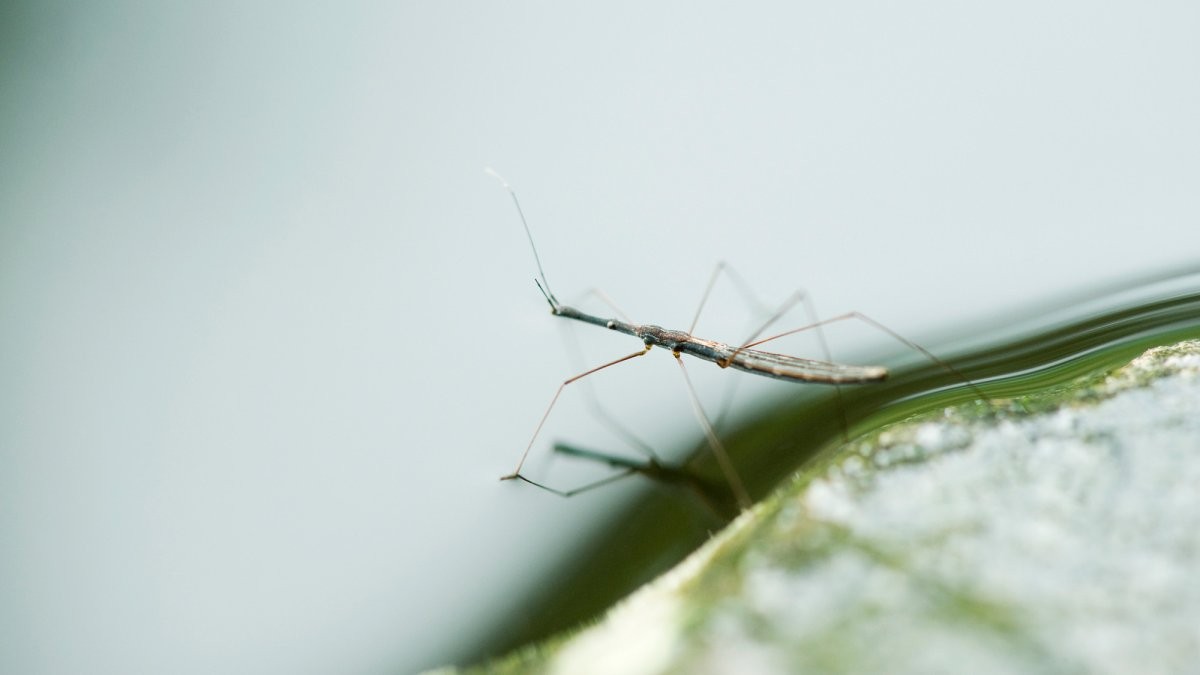
The marine world isn’t empty. Crustaceans fill the niches insects occupy on land. Blood-sucking “sea lice” are actually copepods, a type of crustacean that mimics insect parasites. Even the few insects that venture near the sea, like water striders of the Halobates genus, live on the surface, not in the ocean.
Some crustaceans have even attempted to colonize land, like woodlice, but they remain limited by their reliance on moisture and slow movement compared to insects. Insects have simply outcompeted them on land, while crustaceans maintain dominance in the sea.
A Successful Strategy
The absence of insects in the ocean isn’t a failure; it’s a testament to the power of evolutionary specialization. Insects made a bet on land, and they won. Their success is so complete that they’ve become one of evolution’s great triumphs, thriving in every terrestrial environment. The sea remains the domain of crustaceans, and insects are better off staying where they are.