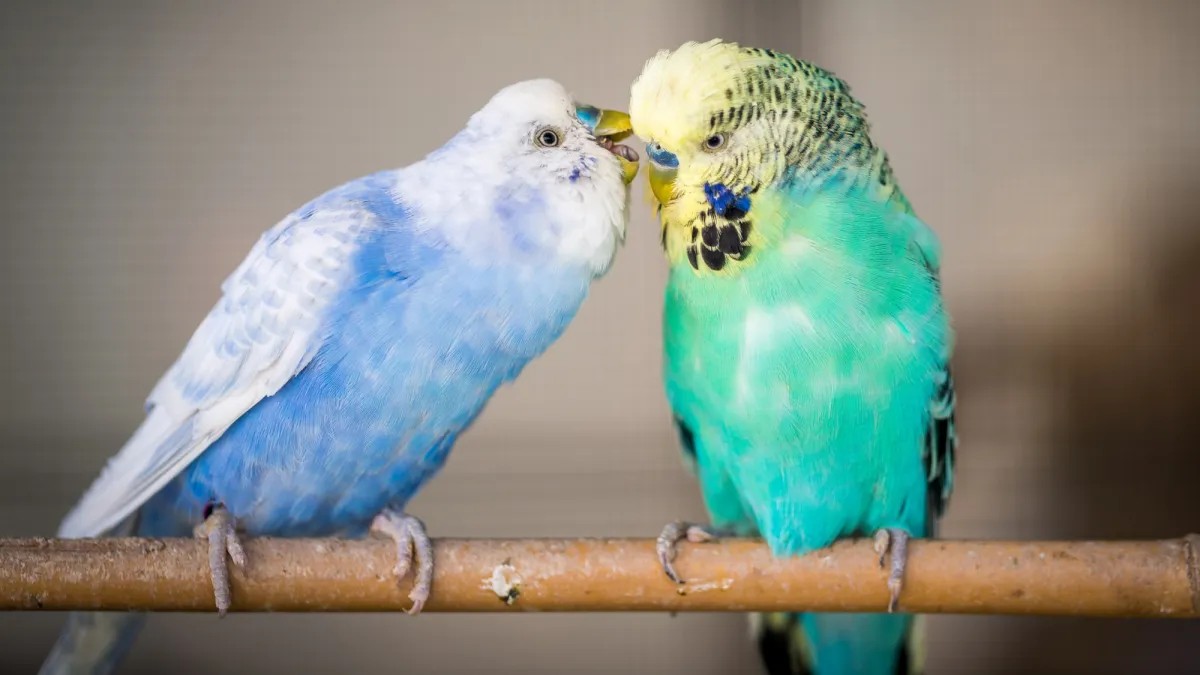
For centuries, humans have been fascinated by birds that “talk” – parrots repeating phrases, crows greeting passersby with a clear “hello.” But why do some birds mimic human speech while others stick to chirps and songs? The answer lies in a complex mix of social bonding, brain structure, and a surprising level of avian intelligence.
The Science of Mimicry
Birds capable of human speech, such as parrots, starlings, mynahs, and crows, aren’t just randomly repeating sounds. They’re actively learning and integrating those sounds into their communication systems. This mimicry isn’t about understanding language; it’s about strengthening social bonds. In captivity, where birds lack interactions with their own species, they shift their loyalty to humans, attempting to integrate into their “flock” by imitating their vocalizations.
How Birds Physically Speak
The ability to mimic comes down to anatomy. Birds possess a syrinx, a specialized vocal organ far more efficient than the human larynx. This allows for complex vocalizations, while a dedicated brain network called the “song system” facilitates learning and reproduction of sounds. Birds learn best when young, much like human language acquisition, making early exposure to speech critical for mimicry.
What Do Mimicking Birds Actually Understand?
While a parrot might yell “get lost!” it likely doesn’t grasp the meaning. Instead, they form associations between sounds and consequences—”cracker” means food, a doorbell sound causes excitement. Some birds even demonstrate abstract thought, categorizing objects by color and shape. There’s evidence of syntax in wild birds too, such as chickadees varying their “D” notes to indicate threat levels, suggesting more complexity than previously thought.
Dialects and Intelligence
Just like humans, birds develop regional dialects. Studies show parrots in different areas have unique vocal patterns, learned rather than genetic. Intelligence varies between species; crows are known for tool use, while keas are puzzle-solving parrots. The ability to mimic doesn’t necessarily equate to higher intelligence, but it does demonstrate remarkable cognitive flexibility.
Wild vs. Captive Speech
Encountering a talking bird in the wild is rare. While escaped pets may teach wild birds phrases, true mimicry is more common in captivity. However, traveling widely might reveal previously unknown vocal dialects, offering new insights into avian communication.
Ultimately, the ability to mimic human speech in birds is a testament to their complex social lives and cognitive abilities. It’s not about parrots “wanting” to talk like us; it’s about fitting in, building bonds, and surviving in a world where their flock happens to speak English.