






























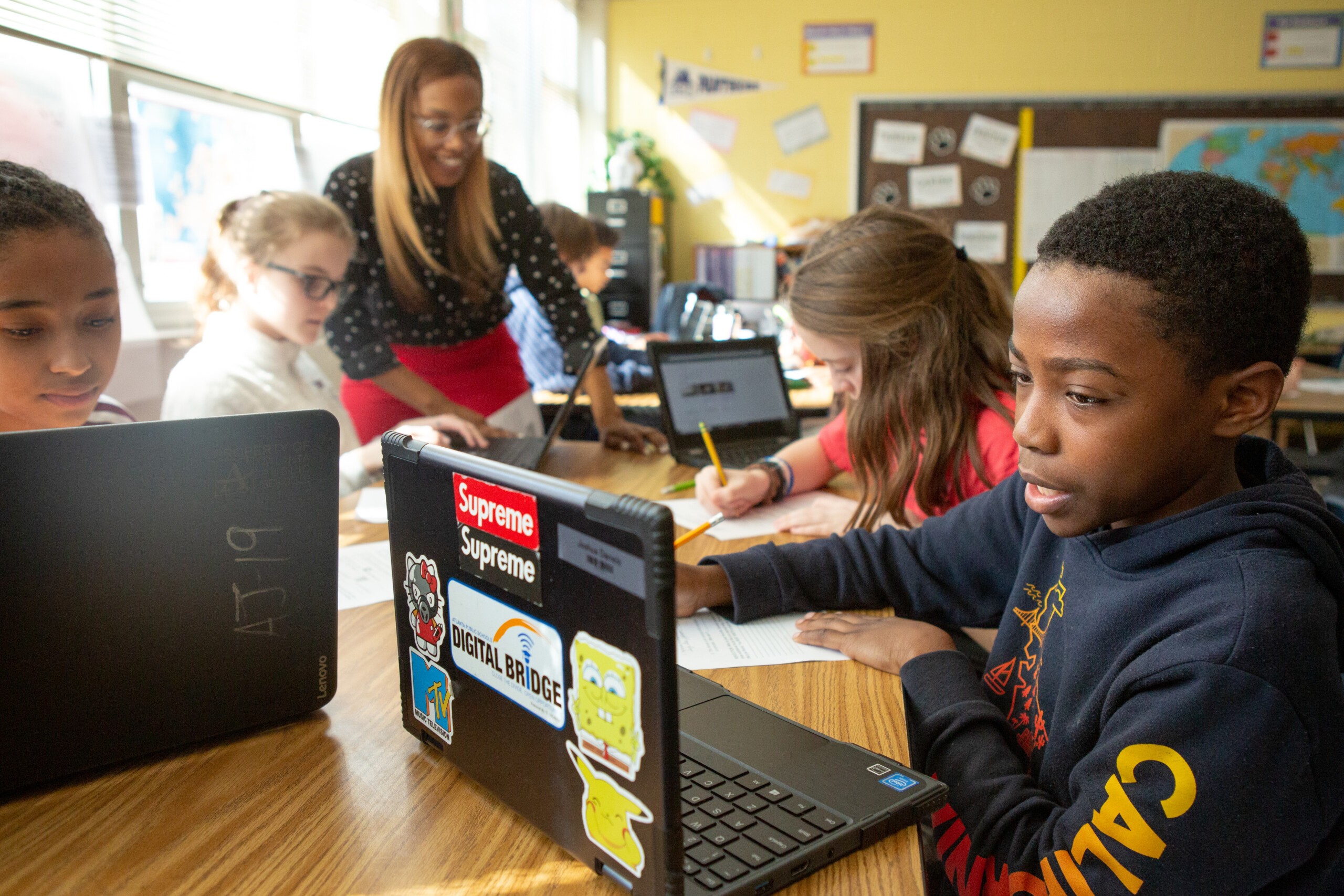
For decades, the “two-sigma problem” in education has posed a challenge: how to deliver learning gains equivalent to two standard deviations above the average—a massive improvement. Pioneering research in the 1980s by Benjamin Bloom showed this was achievable through intensive, one-on-one tutoring combined with mastery-based learning. However, scaling such personalized instruction seemed impossible…until now.
The Power of Tutoring: A Proven Approach
Tutoring, traditionally reserved for elites, has consistently yielded substantial educational improvements. High-dosage tutoring—four or more sessions per week in small groups—produces effect sizes of up to 0.55 standard deviations, translating to more than a year’s worth of learning. While effective, in-person tutoring remains costly, potentially exceeding $1,800 to $4,000 per student annually.
Online Tutoring: Scaling the Gold Standard
The COVID-19 pandemic forced a rapid shift to online tutoring, and the results were striking. Online tutoring proved nearly as effective as in-person instruction but at a fraction of the cost. Recent studies from Italy, Ukraine, and Spain confirm this:
- Italy: Online tutoring during lockdowns raised math scores by 0.22 standard deviations in 2020 and 0.20 in 2022.
- Ukraine: Despite wartime conditions, a program delivered learning gains of 0.49 standard deviations in math and 0.40 in language, alongside reduced stress among students.
- Spain: Two-to-one online tutoring improved both math skills and socio-emotional well-being.
These examples demonstrate that online tutoring is not merely a temporary fix but a resilient, scalable solution. Even low-tech interventions, such as phone-based mentoring in Bangladesh, have yielded significant gains for as little as $20 per child.
Blended Learning: Bridging the Gap
Many schools, particularly in rural areas, face teacher shortages. Blended learning—combining technology with traditional instruction—offers a way to fill this gap. China’s Dual-Teacher program, for example, connected rural classrooms with urban teachers via online lessons, resulting in nearly a full standard deviation gain in math. This approach leverages technology to amplify the impact of existing educators.
Policy Implications
Solving Bloom’s two-sigma problem requires a clear policy focus:
- Invest in tutoring first : Few interventions offer such consistent, large effects.
- Prioritize affordability : Online models dramatically reduce costs.
- Embrace blended learning : Technology can supplement teachers in underserved areas.
- Focus on scalability : Programs using simple tools and existing infrastructure are more sustainable.
For too long, education reform has overlooked the most potent lever available: personalized instruction. The time to scale tutoring, both online and blended, is now.
The authors include Lelys Dinarte-Diaz (research economist at the World Bank), Renata Lemos (Senior Economist at the World Bank), James Gresham (Education Specialist at the World Bank), and Rony Rodriguez (PhD student in Education Policy at Harvard University).