The twice-yearly clock shift known as Daylight Saving Time (DST) often feels like a disruption to human routines, costing us an hour of sleep and occasionally impacting health. However, emerging research indicates that DST might actually reduce animal deaths from vehicle collisions – a surprising benefit often overlooked in the debate.
The Deadly Toll of Animal-Vehicle Collisions
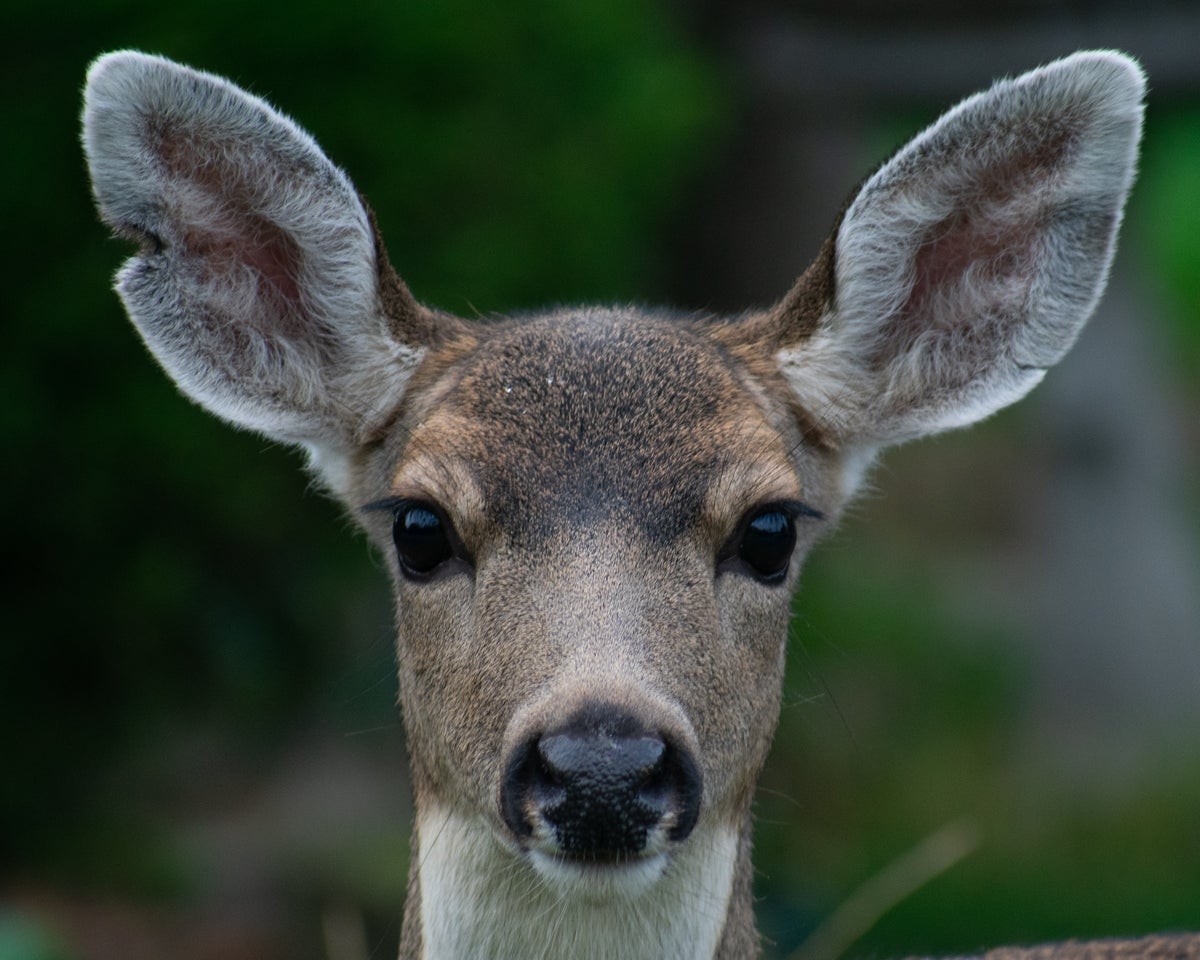
Each year in the U.S. alone, drivers strike animals over a million times, with deer, moose, and elk bearing the brunt of these encounters. These collisions aren’t just tragic for wildlife; they also result in hundreds of human fatalities and billions of dollars in damages from property destruction and medical expenses. The danger peaks under specific conditions: Friday evenings (when people travel), full moons (heightened animal activity), autumn mating seasons, and – crucially – dusk.
Why DST Reduces Roadkill
Animals become most active right after dusk, venturing out to forage or cross roads, making them vulnerable. Setting clocks back in the fall shifts peak evening commutes closer to darkness, increasing collision risk. A 2021 study of over 35,000 deer-vehicle collisions in New York found that switching to standard time significantly raised accident rates, particularly on workdays.
Conversely, a 2022 University of Washington study calculated that permanently adopting DST could save roughly 33 human lives annually, prevent 36,000 deer deaths, and reduce associated costs by $1 billion. Researchers discovered that deer collision rates spike 14 times higher immediately after dark compared to before sunset. This means the increased darkness of standard time leads to a net increase in deer fatalities.
The Spring Shift: A Safer Scenario
The spring forward to DST does bring darker morning commutes, but it doesn’t significantly increase animal collisions. Deer are less active in spring, and evening travel occurs more often before dusk. From a wildlife perspective, permanent DST offers a clear advantage. This extends beyond deer; raccoons, skunks, foxes, and even koalas in Australia could benefit from reduced roadkill.
Staying Safe on the Road
While DST’s impact on humans remains controversial, the evidence suggests it’s safer for wildlife. Drivers can minimize risks by being aware of peak collision times and remembering that animals often travel in groups. Remaining vigilant near dusk is crucial, as encounters can happen at any time.
Ultimately, the debate over DST should also consider its potential to save animal lives, a benefit that has been largely overlooked until now.
The science is clear: permanent DST could dramatically reduce roadkill, making it a win for both human safety and wildlife conservation.