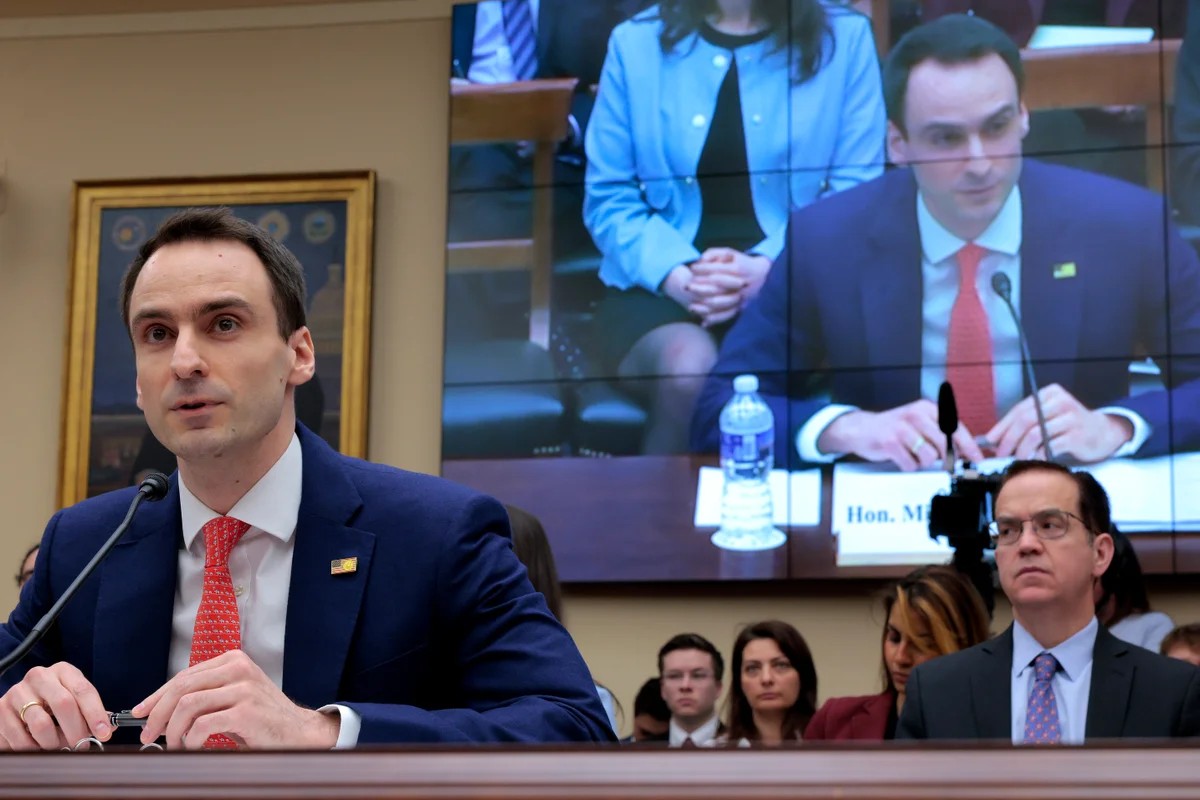
The Trump administration is aggressively pursuing a national strategy for artificial intelligence, aiming to accelerate research, expand workforce training, and dominate the global AI landscape. Recent testimony from Michael Kratsios, director of the White House Office of Science and Technology Policy (OSTP), before the House Committee on Science, Space, and Technology revealed a push to centralize AI policy while simultaneously challenging state-level regulations deemed “anti-innovation.”
The Genesis Mission: Data as a Strategic Asset
A core component of the administration’s AI plan is the Genesis Mission, a program leveraging federal scientific data and computing power to dramatically speed up research. Led by the Department of Energy, Genesis pools data from national labs with the goal of reducing research timelines from years to weeks or even days. The White House intends to expand Genesis beyond the DOE, incorporating data from agencies like the National Science Foundation and healthcare departments. The underlying premise is simple: centralized government data, combined with advanced computing, can unlock faster scientific breakthroughs.
This initiative also includes international collaboration, with “tech ministers” from various countries already signaling interest in joining the program. Kratsios emphasized that partnering with allies will reinforce the U.S.’s “distinct and obvious lead” in AI development.
Talent Pipeline and Education Efforts
Alongside research, the administration is focused on expanding the AI workforce. The U.S. Tech Force, a program designed to bring tech specialists into the public sector, has attracted over 35,000 applicants. Simultaneously, the White House’s AI Education Task Force aims to integrate AI literacy into K–12 curricula, backed by commitments from over 200 companies and organizations to provide free resources. These efforts signal a long-term strategy to build domestic AI capacity.
Regulatory Friction: Federal vs. State Control
The most contentious aspect of the administration’s approach is its resistance to state-level AI regulations. Kratsios argued that forcing businesses to comply with “50 different sets of AI rules” stifles innovation. To this end, the administration issued an executive order directing the Department of Justice to sue states over laws deemed overly restrictive.
This move drew sharp criticism from some committee members, including Representative Zoe Lofgren, who labeled the order “unconstitutional.” The administration maintains that a uniform national policy framework is essential for AI advancement, while carving out exceptions for areas like child safety and data-center infrastructure. The clash between federal authority and state autonomy over AI regulation is likely to escalate.
The administration’s vision for AI dominance rests on a centralized approach to data, talent development, and policy. The friction with states underscores a broader debate about the balance between innovation and regulatory oversight in this rapidly evolving field.