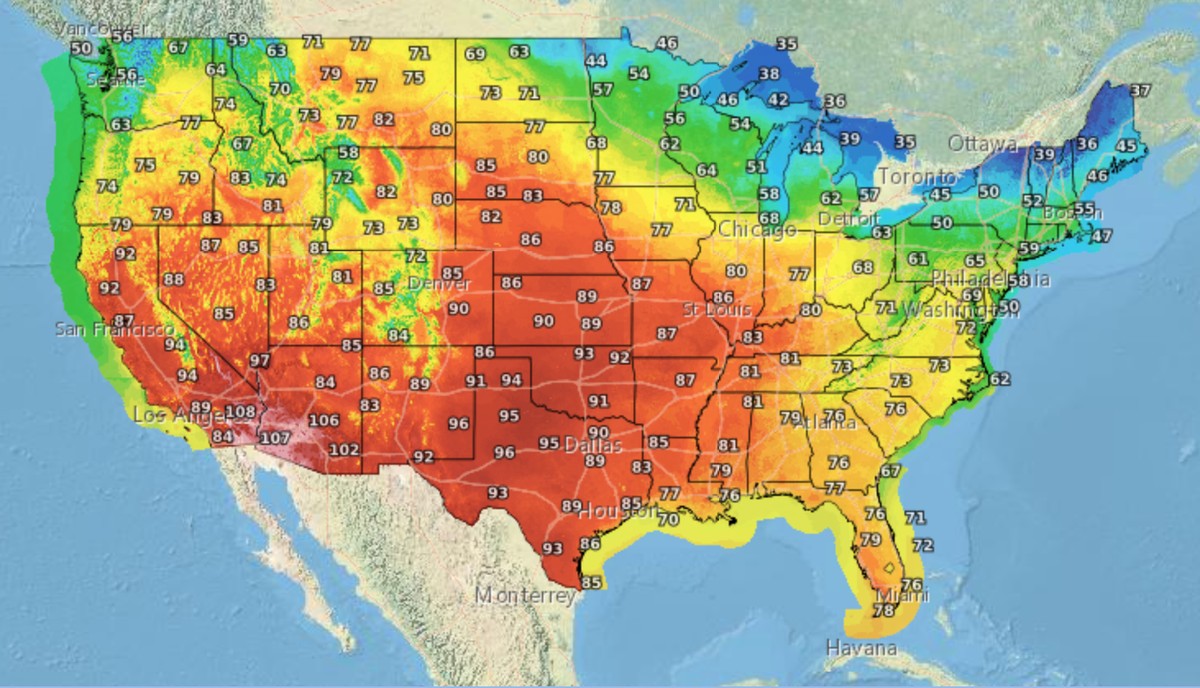
The western United States is experiencing an extraordinary and dangerous heatwave that has already broken all-time March temperature records in multiple locations. On Wednesday, North Shore, California, tied the state’s hottest March temperature with 108°F (42°C). The following day, Phoenix, Arizona, reached 105°F (41°C)—the earliest such reading in recorded history, preceding the typical peak by over a month. Even more alarmingly, a site near Martinez Lake, Arizona, hit 110°F (43°C)—the highest March temperature ever observed in the entire U.S.
What Makes This Heatwave Unique?
This event is not just unusually warm; it’s meteorologically exceptional. An exceptionally strong high-pressure ridge—a northward bulge in the jet stream—dominates the Southwest, pushing temperatures 20–30°F (11–17°C) above normal. What distinguishes this ridge is its intensity and timing. Records are being broken by “absurd margins,” often surpassing even April highs. Usually, record temperatures occur later in March as the climate naturally warms; this heatwave is occurring far too early.
The Science Behind the Extreme Heat
High-pressure systems cause air to descend, compressing and warming it. Clear skies under these ridges allow unobstructed sunlight to heat the ground. Adding to this, a recent “Kona low” that caused extreme rainfall in Hawaii released latent heat into the atmosphere. This moisture is now being carried by an atmospheric river toward the Pacific Northwest, feeding into the ridge and exacerbating the warmth.
The Role of Climate Change
The rapid attribution studies confirm this heatwave would be “virtually impossible without climate change.” Greenhouse gas emissions have made such events about four times more likely, increasing temperatures by up to 1.4°F (0.8°C) compared to what they would have been otherwise. The sudden nature of this heat is concerning, as humans don’t have time to acclimate gradually.
Potential Consequences
The heat poses immediate health risks, especially for vulnerable populations. However, the situation extends beyond discomfort. The West is already facing drought conditions, and the rapid snowmelt caused by this heatwave will worsen these conditions. This creates ideal conditions for wildfires, which could spread rapidly in dry vegetation. The speed of this snowpack loss is described as “shocking” and could lead to even more severe drought and wildfire risks later this year.
This early-season heatwave is a stark reminder of the accelerating effects of climate change, with potentially devastating consequences for both human health and the environment.