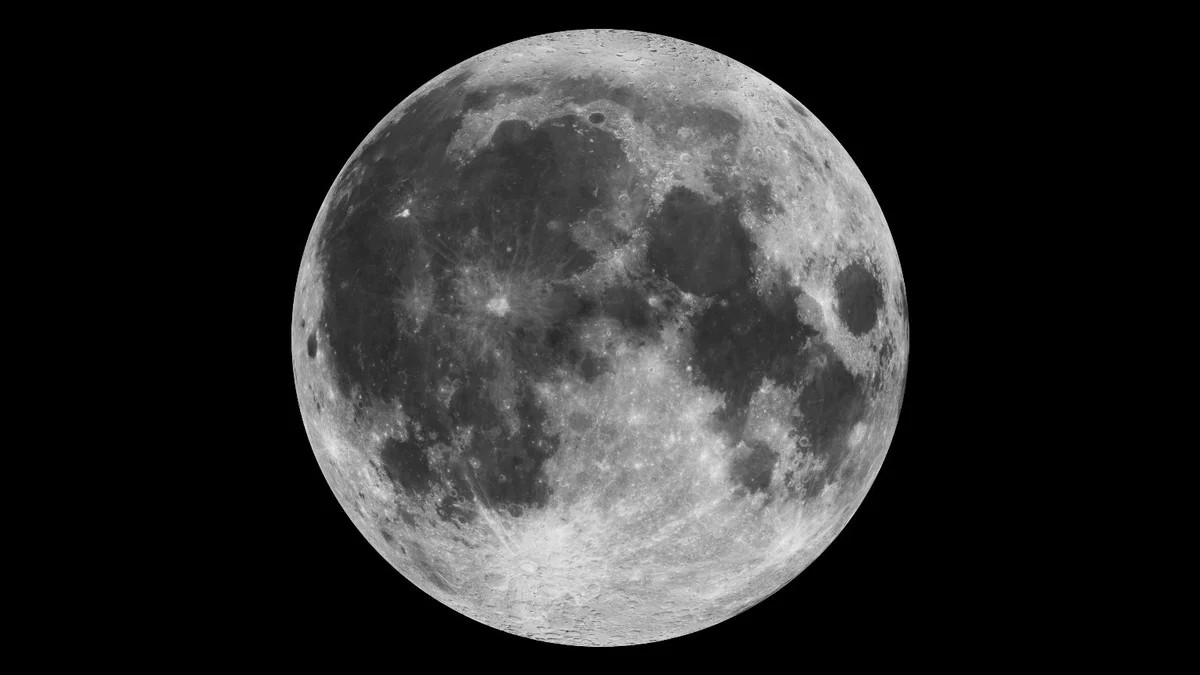
NASA’s Artemis II mission is poised to deliver a breakthrough in lunar observation: the first direct human glimpse of the far side of the moon while illuminated. On April 6th, the four-person crew will conduct detailed reconnaissance during a six-hour flyby, providing scientists with invaluable data that no satellite or previous mission could fully replicate.
The Unique Value of Human Observation
Despite decades of lunar study from orbit, the human eye remains an unmatched tool for nuanced detection. Planetary scientist Kelsey Young emphasizes that “the human eye is the most nuanced detector there is, especially when connected to a well-trained human brain.” This is because human perception can discern subtle details – especially color variations – that automated instruments often miss.
The Apollo missions underscored this point; astronauts reported seeing colors on the lunar surface that were not apparent in earlier data. Alan Bean, an Apollo 12 astronaut, later became a painter, depicting the moon’s surprising color palette. Harrison Schmitt of Apollo 17 discovered orange dust indicating unexpected volcanic activity. These observations highlight how human eyes can uncover critical geological insights.
Key Targets for the Artemis II Crew
The astronauts will focus on several key features, including the Orientale basin, a 3.8-billion-year-old impact crater formed by a massive collision. While Apollo missions orbited closer, Artemis II’s greater distance (approximately 6,000 kilometers above the surface) offers broader context. The crew will also observe Ohm crater, a relatively new impact site with distinctive bright rays, and Pierazzo crater, which displays melted lunar rock formations.
Additionally, the astronauts will monitor for impact flashes – real-time debris strikes on the lunar surface – providing data on ongoing micrometeorite activity. The crew has memorized 15 lunar features to aid orientation, and scientists have prepared prompts to ensure detailed reporting of observations.
Why This Matters: Beyond Scientific Curiosity
The Artemis II mission is not merely an observational exercise; it’s a step toward more informed lunar exploration. The data gathered will refine our understanding of the moon’s formation, geological evolution, and potential resources. The Orientale basin, for instance, serves as an archetype for understanding impacts on other worlds.
The addition of a dedicated science console in Mission Control demonstrates NASA’s commitment to integrating human observation into future missions. The Artemis II crew will effectively act as “eyes in the sky,” relaying real-time descriptions that scientists can use to refine their models and prepare for more detailed studies.
The first direct human view of the far side will be a pivotal moment in lunar science, bridging the gap between robotic exploration and human-led discovery. As Kelsey Young states, “I cannot wait” for the moon to feel closer than ever before.