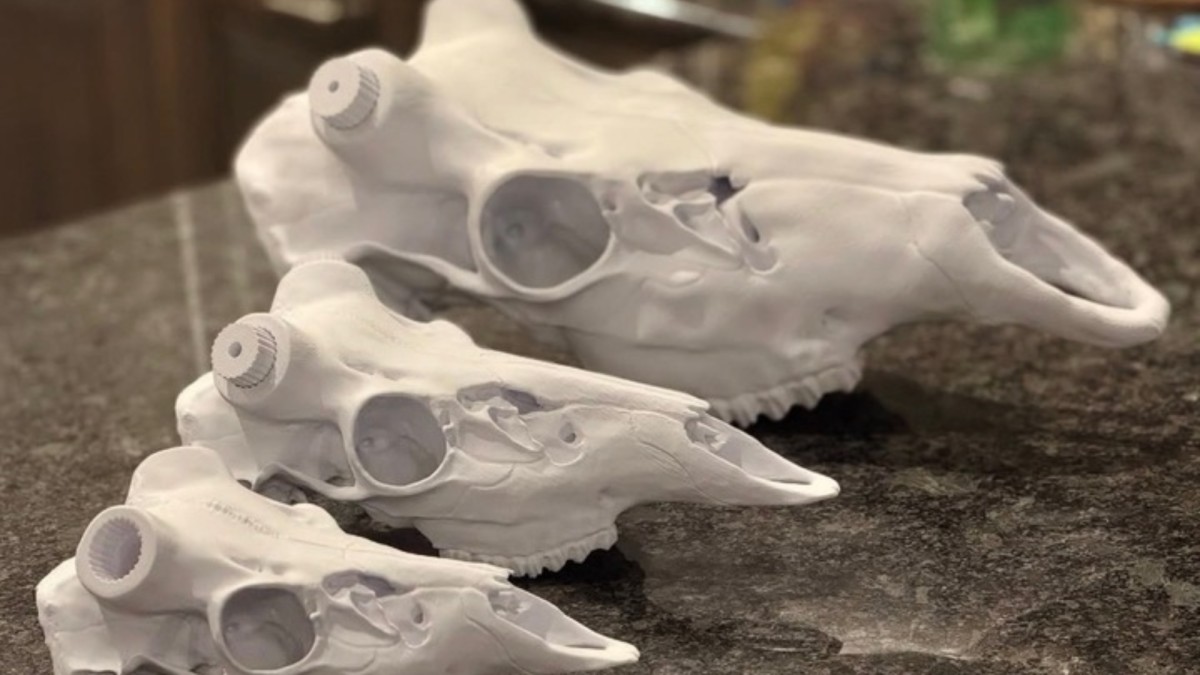
Hunting and wildlife enthusiasts are increasingly turning to 3D printing as a cleaner, faster alternative to traditional animal skull mounting. The process eliminates the messy, time-consuming steps of boiling, scraping, or using beetles to clean skulls – methods that can take hours and require strong stomachs. Instead, hunters can now 3D-print realistic skulls and simply attach their real antlers or horns, creating a display-ready mount in a fraction of the time.
The Rise of Synthetic Skulls
Companies like Utah-based Bucks N Bull Skulls are leading this trend. Founder Shawn Sanchez explains that they scan real animal skulls using iPhone apps, generating detailed 3D models. A typical deer skull takes 12–15 hours to print, while larger elk skulls can require up to 50 hours. Despite the time investment, the result is a durable, consistent product that avoids the biological mess of traditional mounting.
The appeal extends beyond hunters. Shed antler collectors—people who gather naturally shed antlers without killing animals—can now display complete mounts without ever taking a life. This makes the hobby more accessible and ethical for those who admire wildlife but don’t hunt.
Why This Matters
This isn’t just about convenience. Traditional skull mounting is notoriously unpleasant: boiling heads for hours, scraping away flesh with coat hangers, or relying on beetle colonies that breed stench. Taxidermy, the professional alternative, can take months and cost hundreds of dollars. 3D printing circumvents these issues entirely.
“It’s a little morbid,” admits Sanchez, acknowledging the gruesome reality of older methods.
The Community Behind the Tech
The movement is driven by a collaborative spirit within the 3D-printing community. Sanchez freely shares digital files, allowing customers to print their own skulls, but believes many will still prefer his company’s quality control and convenience. This openness is typical of the maker movement, where enthusiasts share knowledge and designs.
Sanchez, a former automotive worker who turned to 3D printing after back surgery, highlights the technology’s potential: “If more people knew how user-friendly it is, more would have this at home.”
Beyond Hunting
The benefits extend beyond aesthetics. 3D-printed skulls don’t yellow or become brittle like real bone, and hunters don’t risk damaging fragile skulls during transport. Taxidermists are even using the technology to create molds for duplicate mounts.
Ultimately, 3D-printed skulls offer a cleaner, more efficient way to display animal trophies, making the hobby more accessible and appealing to a wider audience. Whether it’s a hunter seeking convenience or a shed antler enthusiast wanting an ethical display, the technology is reshaping how people connect with wildlife.